Older Sydney homes have a charm that newer builds struggle to match, but they also come with hidden risks. One of the biggest is termites, because many heritage and mid-century properties were built with timber-heavy designs and sit in environments termites love.
That is why termite control is often more urgent for older houses than owners realise. A small, quiet infestation can turn into major structural damage before anyone sees a single sign.
Why are older Sydney homes more vulnerable to termites?
Older homes are more vulnerable because they often contain more structural timber, older subfloors, and legacy add-ons that create concealed access points. Many were also built before modern moisture management and physical barriers were common.
In Sydney suburbs with established gardens and older drainage layouts, termites can find consistent moisture and cover. This combination increases the likelihood that termite control service becomes a priority sooner, not later.
What makes Sydney’s climate and suburbs a perfect match for termites?
Sydney’s humid summers, mild winters, and periodic heavy rainfall create ideal conditions for subterranean termites. When soil stays damp and gardens are well watered, termite activity can stay steady for long periods.
Many older suburbs also have dense vegetation, retaining walls, and shaded yards that keep the ground cool and moist. These conditions make proactive termite control a practical necessity for property owners across the region.
How do older building materials and designs increase termite risk?
Older properties commonly use timber framing, hardwood floors, and timber stumps or bearers that can be hard to fully inspect. Renovations over decades can also leave mixed materials and hidden voids where termites move unnoticed.
Older ventilation patterns matter too. If subfloor airflow is reduced by later landscaping or extensions, moisture rises and timber becomes more attractive, increasing the need for ongoing termite control.
Why do renovations and extensions sometimes make termite problems worse?
Renovations can accidentally bridge termite barriers or conceal earlier damage. When new decking, pergolas, or garden beds are installed against walls, they can create sheltered entry points.
Even well-meaning upgrades, like enclosing subfloors or changing drainage, can increase moisture. In older Sydney homes, this is how termite control issues can begin right after a renovation that otherwise looks flawless.
Where do termites usually enter older Sydney homes?
They commonly enter through concealed pathways such as cracks in slabs, plumbing penetrations, or through subfloor timber that is close to soil. Garden beds against external walls and timber-to-ground contact are frequent triggers.
In older homes with raised foundations, termites can also build mud leads on piers or inside brickwork cavities. These hidden routes are why termite control should not rely on visual checks alone.
What are the early warning signs owners often miss?
Early signs are often subtle: sticking doors, minor floor buckling, fine mud residue near piers, or soft-sounding timber. Termites can also hollow timber from the inside, so surfaces may look normal until damage is advanced.
Older homes already have quirks, so owners may dismiss changes as “age”. That is how termite control is delayed until repairs become far more disruptive.
How much damage can termites cause before anyone notices?
Termites can cause significant structural damage while remaining hidden in wall cavities, subfloors, and roof timbers. By the time skirting boards crumble or floors feel spongy, the infestation may have been active for months or even years.
For older Sydney homes, repairs can be complex because matching materials and maintaining original structure may be harder. Effective termite control reduces the chance of reaching that stage.
Why is termite damage especially costly in heritage and older-style homes?
Heritage and character homes often use specialist timbers, custom profiles, and older construction methods that are expensive to restore. Repairs may also require extra care to preserve features like floorboards, architraves, and decorative trims.
If structural timbers are affected, the scope can expand quickly. This is where consistent termite control is less about convenience and more about protecting long-term property value.
What role does moisture play in termite activity around older homes?
Moisture is one of the strongest drivers of termite activity, particularly for subterranean termites common across Sydney. Leaking pipes, poor stormwater flow, and damp subfloors can create ideal conditions without any obvious surface pooling.
Older homes may have aging plumbing, older grout lines, and less effective drainage falls. Fixing moisture sources alongside termite control is often what stops repeat activity.
How often should older Sydney homes be inspected for termites?
They are typically best inspected at least annually, and sometimes more often if the property has prior termite history, high moisture issues, or heavy timber landscaping. Inspections help identify risk conditions before termites are confirmed.
For older homes, consistency matters because access points and moisture patterns change over time. Regular inspections make termite control proactive rather than reactive.
What termite control options suit older Sydney homes best?
The best option depends on the home’s construction, access, and risk profile. Common approaches include baiting systems, chemical soil treatments, and targeted dusting or foam applications when activity is found.
Older homes often benefit from a tailored plan that combines treatment with risk reduction, such as improving subfloor ventilation and removing timber-to-soil contact. Done properly, termite control becomes an ongoing system, not a one-off visit.
Why do DIY treatments usually fall short in older properties?
DIY products can help in limited situations, but they rarely address the full colony or the hidden entry points typical in older homes. Without locating moisture sources and access routes, treatment may only shift activity elsewhere.
Older homes also have more concealed spaces and complex subfloors that require experience to assess safely. Professional termite control is usually the difference between short-term relief and real prevention.
How can owners reduce termite risk without changing the character of the home?
They can reduce risk by managing moisture and reducing timber contact without altering the home’s look. Simple steps include keeping weep holes clear, ensuring subfloor vents stay open, and directing stormwater away from foundations.
They can also avoid storing timber, cardboard, or sleepers against the house. These changes support termite control while keeping the original style and street appeal intact.
What should owners ask a termite professional before approving treatment?
They should ask what termite species is suspected, what evidence supports that, and what treatment is recommended for that specific building style. They should also ask about monitoring intervals, warranty terms, and what preparation is needed.
For older Sydney homes, it is also worth asking how the plan manages moisture and access points over time. Clear answers make termite control decisions easier and more confident.
Why does acting early matter more than finding the cheapest fix?
Acting early usually limits damage, reduces the scope of repairs, and improves the odds of eliminating the colony before it spreads. Waiting for obvious signs can turn a manageable issue into major building work.
In older Sydney homes, delays can also affect resale, insurance discussions, and renovation plans. Early termite control is often the lowest-cost outcome in the long run.
What is the simplest takeaway for owners of older Sydney homes?
They should treat termites as a realistic, ongoing risk rather than a rare event. Older construction, moisture patterns, and hidden access points make vigilance essential.
With routine inspections, moisture control, and a tailored plan, termite control protects the home’s structure and preserves what makes older Sydney properties worth owning.
This guide compares cost, results, time, and risk, so they can decide what makes sense for their carpet, budget, and schedule.
Is DIY carpet cleaning actually cheaper in Rutherford?
Sometimes, but not always. DIY can look cheaper upfront, yet hired machines, extra products, and repeat attempts can push costs close to a basic professional job.
For many Rutherford households, DIY costs add up through supermarket spotters, deodorising powders, pre-sprays, and a machine hire that runs for a day. If the carpet stays damp too long or stains wick back, they may end up paying twice, making carpet cleaning Rutherford a more cost-effective long-term solution.
What results can they realistically expect from DIY?
DIY usually improves surface dirt and light marks, but it often struggles with embedded grit, traffic lanes, and older spills. Most hired machines have lower heat, weaker suction, and less flushing power than commercial units.
That means the carpet can look better for a week or two, then grey patches and dull lanes show again. When they compare before and after, DIY is often “good enough” for maintenance but not a true reset.
What does a professional do differently?
A professional focuses on soil removal, controlled moisture, and safe chemistry for the carpet type. They typically pre-vacuum, treat stains, pre-spray, agitate, then extract with stronger suction to reduce residue and drying time. Choosing a professional carpet care service can also help maintain carpet quality by using suitable equipment and techniques for deeper cleaning results.
With Carpet Cleaning Rutherford teams, the difference is often in the details: testing fibres, using targeted stain agents, and finishing with grooming so the pile dries evenly and looks consistent.
How important is drying time in Rutherford’s climate?
Drying time matters because slow drying can lead to smells, browning, and recurring marks. Rutherford conditions can vary, but indoor airflow, humidity, and thick underlay can all slow evaporation.
DIY machines often leave more water behind. By contrast, Carpet Cleaning Rutherford professionals usually extract more thoroughly, so the carpet is touch-dry sooner and less likely to develop that damp, musty odour.
Are hire machines powerful enough for deep cleaning?
For many carpets, hire machines are a compromise. They can clean, but they are not built for heavy soil loads, large areas, or repeated passes without leaving detergent behind.
If they have pets, kids, or high foot traffic, the carpet holds fine grit that acts like sandpaper. In those cases, Carpet Cleaning Rutherford services often deliver a clearer lift in colour because they remove more of that embedded soil.
What stains can DIY handle, and which ones usually need help?
DIY can work well for fresh spills if they blot quickly and use the right product lightly. Water-based stains like soft drink or mud are often manageable when treated early.
Older stains, urine, rust, red wine, and oily marks are harder because the residue has bonded to fibres or soaked into underlay. Many people call Carpet Cleaning Rutherford providers after they have tried a few products and the stain has spread or set.
Could DIY void warranties or damage the carpet?
Yes, it can. Some carpet warranties expect correct methods, approved chemicals, and controlled drying, especially for wool or premium blends. Following a carpet warranty care guide can help homeowners understand required cleaning practices and avoid actions that may affect warranty coverage.
Over-wetting, using the wrong pH, or scrubbing aggressively can cause pile distortion, colour loss, or shrinkage at seams. When they are unsure of fibre type or backing, Carpet Cleaning Rutherford professionals reduce the risk by testing first and using appropriate chemistry.
How much time does DIY really take?
DIY often takes longer than expected. They may need to pick up a machine, move furniture, pre-treat spots, do multiple slow passes, then wait for drying before putting the room back together.
A professional visit is usually more predictable. Many Carpet Cleaning Rutherford bookings are planned around work and school hours, and the job is completed with less back-and-forth, less mess, and less trial-and-error.
Is professional cleaning better for end-of-lease in Rutherford rentals?
In many cases, yes. Property managers typically want the carpet to look even, smell neutral, and have no obvious staining or patchy traffic lanes.
DIY results can be inconsistent, especially if they rush drying or leave detergent residue that attracts dirt. Many tenants choose Carpet Cleaning Rutherford services for end-of-lease because it reduces the chance of a dispute and saves time during the move.
What should they consider if they have pets or allergies?
They should focus on removal, not masking. Deodorisers can cover smells temporarily, but they may not remove the source if urine has reached the backing or underlay.
Professionals can target affected areas and extract more thoroughly. For households managing allergies, Carpet Cleaning Rutherford cleaning can help reduce dust, dander, and fine particles that regular vacuuming leaves behind, especially in busy living areas.
How can they compare costs fairly between DIY and hiring a professional?
They should compare the total, not just the first receipt. A fair DIY budget includes machine hire, stain treatments, pre-spray, deodoriser, spot tools, fuel, and their time.
They should also price in the risk of needing a second attempt. If they want a stronger, more consistent finish the first time, Carpet Cleaning Rutherford services can be better value, particularly for larger rooms or multiple bedrooms.
What questions should they ask before booking a professional in Rutherford?
They should ask what method will be used, whether it suits their carpet fibre, and how stains and odours are handled. They should also ask about drying times, what they need to do beforehand, and whether there are any add-on fees.
A reputable Carpet Cleaning Rutherford provider should explain the process clearly, set realistic expectations for permanent stains, and offer practical aftercare steps like ventilation and avoiding heavy traffic until fully dry. Homeowners can also refer to a professional cleaning service checklist to understand what to expect before, during, and after a cleaning appointment, especially when preparing a home during renovation work.
So, is it worth calling a professional or sticking with DIY?
It depends on the goal. If they only need a light refresh in a small area and are comfortable with the time and effort, DIY can be a reasonable option.
If they want deeper soil removal, faster drying, better stain outcomes, or a safer approach for wool and premium carpets, Carpet Cleaning Rutherford is often worth it. For end-of-lease jobs, pet issues, or heavily used family rooms, professional cleaning is usually the more reliable choice.
Still, they are made for automotive soils and surfaces, so they need careful selection, dilution, and spot testing before they touch tiles, grout, or bathroom fittings.
What are car dealership cleaners, in plain terms?
They are commercial-grade cleaning products used in dealerships, detail bays, and service centres to remove oily dirt quickly and at scale. Many car dealership cleaners are concentrated, meaning they are meant to be diluted to suit the task, which is part of why they feel so powerful compared to supermarket bathroom cleaners.
Common formats include alkaline degreasers, citrus solvents, foaming detergents, and specialised wheel and tyre cleaners.
Why would a bathroom renovator in Australia even consider using them?
They consider them because renovation mess is often part dust, part adhesive, and part greasy residue from hands, tools, and old exhaust-fan build-up. Some car dealership cleaners are very good at breaking down oily films on hard surfaces like ceramic tiles or concrete subfloors during demo and prep.
They are not a magic product for every bathroom job, but they can be useful when the problem is genuinely grease-heavy.
Which bathroom renovation problems can they actually help with?
They can help most with greasy residues that interfere with prep work, like oily grime around exhaust fans, old vanity kickboards, or workshop-like dirt tracked through the house. In some cases, car dealership cleaners can also assist with cleaning tools, removing oily handprints from glazed tile, or degreasing a concrete slab before certain primers.
They are not ideal for limescale, calcium staining, or rust, which usually need different chemistry.
Which types of car dealership cleaners are most relevant to bathroom surfaces?
The most relevant are general-purpose alkaline degreasers and mild citrus-based cleaners, used at conservative dilution rates. Those versions of car dealership cleaning products are aimed at oily grime rather than aggressive acid reactions, which makes them easier to control on bathroom materials. Homeowners can also refer to a bathroom cleaning maintenance guide to understand suitable products and safe cleaning practices for different surfaces.
Highly acidic wheel cleaners and strong solvents are usually the worst match for bathrooms because they can attack grout, stone, and metal finishes.
Are car dealership cleaners safe for tiles and grout?
Sometimes, but only with the right product, dilution, and dwell time. Many car dealership cleaners are alkaline, and strong alkalinity can lighten or weaken some grout, especially if it is older, cracked, or not sealed.
They should advise homeowners to spot test first, avoid letting product dry on the surface, and rinse thoroughly with clean water to prevent residue that attracts dirt later.
Can they be used on natural stone in bathrooms?
They generally should not be the first choice for stone such as marble, travertine, limestone, or terrazzo. Some car dealership cleaners can etch or dull stone, and wheel-type acids can cause visible damage fast.
If they have stone in an Australian bathroom renovation, they are usually better off using a stone-safe pH-neutral cleaner and leaving heavy degreasing to a product explicitly labelled for stone.
What about acrylic baths, fibreglass, and painted surfaces?
They should be cautious. Strong car dealership cleaners can haze acrylic, soften some paints, or leave dull patches on fibreglass gelcoat, especially if used too strong or left too long.
If they must try one, they should pick a gentler, water-based degreaser, dilute it heavily, keep contact time short, and rinse immediately. A non-scratch cloth matters as much as the chemical. Following a safe surface cleaning guide can also help them choose suitable products and avoid damage to sensitive bathroom materials.
Do car dealership cleaners remove silicone, adhesive, or old caulk?
Not reliably. Most car dealership cleaners are built to remove oils and traffic film, not cured silicone or construction adhesives.
If they need to remove silicone during a bathroom renovation, mechanical removal plus a dedicated silicone remover is usually the correct approach. For adhesive residues, a purpose-made adhesive remover is more predictable than using an automotive degreaser.
How should they use them during a bathroom renovation without damaging anything?
They should treat the process like controlled testing, not like general household spraying. If they are trying car dealership cleaners, a safe workflow is: ventilate well, wear gloves and eye protection, pre-wet the area, apply diluted product, agitate lightly, then rinse twice with clean water.
They should avoid mixing products, avoid letting it dry, and keep it away from drains if the label warns against it.
Are there Australian legal or safety points they should keep in mind?
Yes. They should read the SDS and label directions, which in Australia often outline PPE, first-aid steps, and disposal guidance. Some car dealership cleaners are classed as hazardous and can irritate skin, eyes, and lungs, particularly in small bathrooms with poor airflow.
They should also keep products away from children and pets and store concentrates securely during a renovation.
What are the biggest risks homeowners overlook?
The biggest risks are surface damage, fume irritation, and chemical incompatibility. A strong car dealership cleaners product can discolour grout, strip protective coatings, or pit cheap chrome plating on taps if it is too aggressive.
They also sometimes underestimate how fast products react in a warm, enclosed bathroom, especially when the exhaust fan is removed during renovation.
How do they know if a product is too strong for bathroom use?
They can look for warning signs in the label and SDS such as “corrosive,” very high or very low pH, or explicit notes to avoid aluminium, zinc, chrome, or painted surfaces. Many car dealership cleaners are meant for workshops with rinse bays, which is a clue the product expects heavy runoff and fast rinsing.
If it smells strongly solvent-like or stings eyes quickly, they should stop and reassess.
What should they use instead if they just want a safer bathroom-friendly option?
If the goal is bathroom-safe cleaning, they are usually better with a dedicated bathroom cleaner for soap scum, a mould cleaner used as directed, and a separate degreaser made for household hard surfaces. In Australia, many hardware stores stock heavy-duty household degreasers that are less risky than car dealership cleaners for indoor renovation use.
They can also use sugar soap for prep on painted areas, following label directions and rinsing well.
When does it make sense to call a professional instead?
It makes sense to call a professional when carpets are expensive, delicate, heavily stained, or affected by issues like mould and deep-set odours where DIY methods may not be enough. A professional carpet cleaner will choose suitable equipment, cleaning solutions, and techniques based on the carpet type rather than using unsuitable products designed for other purposes. Homeowners can also explore carpet cleaning maintenance tips to understand how regular care can extend carpet life and maintain better results between professional cleans.
They also reduce the chance of accidental etching, bleaching, or corrosion during a tight renovation schedule.
What is the quick takeaway for Australian bathroom renovators?
Car dealership cleaners are powerful automotive products that can help with greasy renovation grime, but they are not a universal bathroom solution. If they choose to try car dealership cleaners, they should pick the mildest suitable type, dilute conservatively, spot test, protect themselves, and rinse thoroughly.
Used carefully, they can be a helpful tool. Used casually, they can create costly surface damage that is hard to reverse.
They do not need to panic, but they do need a clear plan. A bathroom is warm, has water access, and is full of gaps created by trades, which makes it a practical entry point for rodents in many Australian homes.
What is rodent control Sydney?
Rodent control Sydney is the process of identifying rodent activity, blocking entry points, reducing food and water access, and using compliant control methods to remove rats or mice from a property. In practice, it usually combines inspection, exclusion (proofing), targeted trapping or baiting, and follow-up monitoring.
For a bathroom renovation, rodent control Sydney matters because closing up a space without fixing access can trap odour, damage new finishes, and create an ongoing issue that is harder to reach later.
Why does a bathroom renovation increase rodent risk?
Renovations create temporary openings and disrupt hidden voids that rodents already use. When tiles, sheeting, or cabinetry come out, rodents can be disturbed and relocate deeper into the home, or take advantage of new gaps created around pipes and drains.
In many Sydney homes, bathrooms back onto external walls, subfloors, or older extensions. Those junctions can hide cracks, broken vents, or poorly sealed penetrations, which makes rodent control Sydney a smart pre-plaster step.
What are the most common rodent entry points in Sydney bathrooms?
The most common entry points are pipe penetrations under vanities, gaps around floor wastes, wall cavities behind showers, and openings where services pass through brick or cladding. Subfloor access points and broken air vents also show up regularly in older homes across the Inner West, Northern Beaches, and the Hills.
Because rodents can squeeze through small gaps, thorough sealing is essential. A basic aim of rodent control Sydney is to stop movement between the subfloor, wall cavity, and roof void.
What signs should they look for before ripping anything out?
They should look for droppings, urine staining, scratching sounds at night, chewed materials, and smudge marks along edges where rodents travel. In bathrooms, signs often appear under the vanity kickboard, near the toilet pan, behind access panels, or around ducting for exhaust fans. Homeowners can also refer to a rodent prevention checklist to identify common warning signs and take early action before the issue becomes more serious.
A musty smell can also be a clue, especially if it gets worse when cabinetry is removed. Catching it early helps rodent control Sydney efforts stay simple and contained.
Is rodent control needed before or after the renovation?
It should start before demolition and continue through to fit-off. Before demolition, an inspection can confirm where rodents are coming from and whether they are active. During the renovation, any new openings should be protected and sealed in stages.
After installation, a final check helps confirm there is no ongoing activity. For many projects, the best result comes from timing rodent control Sydney alongside the waterproofing and plastering schedule.
How does rodent activity damage a bathroom renovation?
Rodents can chew electrical wiring, flexible hoses, insulation, and even some waterproofing membranes at edges if access remains. They can also contaminate stored materials on site, including towels, packaging, and vanity components waiting to be installed.
If a rodent dies inside a sealed cavity, odour and flies can become a major issue, sometimes requiring partial removal of new finishes. That is why rodent control Sydney is often treated as prevention, not just removal.
What rodent control methods are commonly used in Sydney homes?
Common methods include physical traps, secured bait stations, habitat changes, and entry-point sealing using appropriate materials. The right method depends on where activity is occurring, whether there are pets or children, and whether rodents are inside wall cavities or under the subfloor. Homeowners can also explore a pest prevention strategy guide to understand practical steps for reducing attractants and maintaining a safer living environment.
Professionals typically focus on integrated control rather than a single tactic. Done properly, rodent control Sydney reduces the chance of rodents shifting from one part of the home to another.
What does “proofing” mean during a bathroom reno?
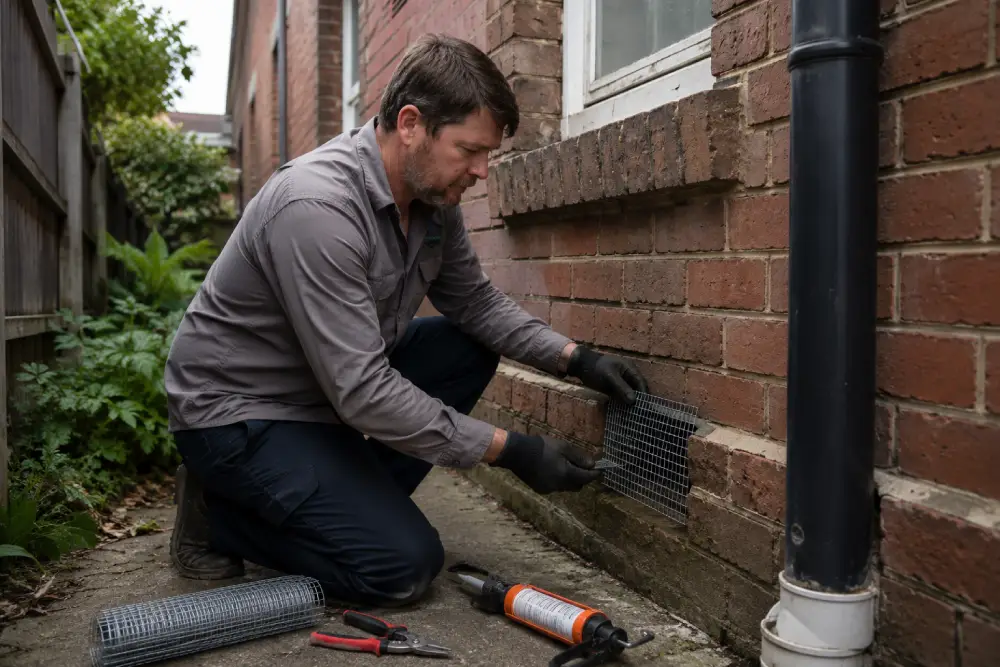
Proofing means sealing gaps so rodents cannot enter or move through the building. In a bathroom renovation, proofing usually includes sealing around pipes, patching vents, installing mesh where needed, and ensuring external gaps in brickwork or cladding are closed.
It also means planning so trades do not leave open holes at the end of each day. Proofing is a core part of rodent control Sydney, especially when walls are open and access is easiest.
Which materials work best for sealing bathroom rodent entry points?
Durable materials that rodents cannot easily chew through are preferred. In Australian homes, that can include metal mesh, steel wool used correctly in combination with sealant, cement patching, and solid escutcheons around pipes where appropriate.
Expanding foam alone is often not enough if rodents can reach it. A practical rodent control Sydney approach uses chew-resistant barriers first, then seals for water and air control.
Are rodents attracted to bathroom plumbing and drains?
Rodents are attracted to moisture and warmth, not the drain itself, but plumbing creates pathways. Gaps around pipes and poorly sealed service penetrations can connect external areas, subfloors, and wall cavities.
In some cases, damaged drain lines or open vents can contribute to access. During rodent control Sydney inspections, plumbing routes are often mapped because they explain how rodents are moving through the property.
Can they handle rodent control themselves during a renovation?
They can handle basic steps like tidying the site, keeping materials sealed, removing rubbish promptly, and sealing obvious small gaps as they appear. They can also use traps if they know where activity is occurring and can place them safely away from children and pets.
However, if activity is persistent or involves subfloors, roofs, or shared walls, professional rodent control Sydney support can reduce risk and speed up resolution.
When should they call a licensed pest manager in Sydney?
They should call if there are repeated sightings, daytime activity, heavy droppings, scratching in walls, or if the home is a terrace, duplex, or apartment where rodents may move between properties. They should also call if baiting is being considered, because safe placement and follow-up matter.
For renovation timelines, early involvement can prevent delays. A targeted rodent control Sydney plan is often faster than trial-and-error while trades are waiting.
How can they keep rodents away while the bathroom is under construction?
They should keep the site clean, avoid leaving pet food out, store materials in sealed containers, and remove cardboard and soft packaging quickly. Any temporary holes should be covered at day’s end, especially around external walls, subfloors, and service penetrations.
If skips are on site, they should not overflow, as rubbish attracts rodents. Simple site discipline supports rodent control Sydney and reduces the chance rodents settle in during the build.
Do Sydney weather and seasons affect rodent activity?
Yes. Cooler months can push rodents into roof voids and wall cavities for warmth, while wet periods can drive them away from saturated ground into drier indoor spaces. Sydney’s mix of older housing stock and dense suburbs also helps rodents travel via fences, gardens, and shared service corridors.
For renovators, seasonal spikes are another reason rodent control Sydney is worth addressing before the bathroom is closed up.
What should they ask for in a rodent control quote for a renovation?
They should ask what the inspection includes, how entry points will be identified, whether proofing is included or separate, what follow-up is provided, and what safety measures are used for households with kids or pets. They should also ask how the plan will fit around demolition, waterproofing, and fit-off.
A renovation-focused quote for rodent control Sydney should prioritise exclusion and verification, not just short-term knockdown.
How quickly can rodent issues be resolved during a bathroom renovation?
Minor issues can be reduced within days if entry points are sealed and activity is localised. More complex infestations involving subfloors, roof voids, or neighbouring properties can take longer and may need staged proofing and monitoring.
The key is not to wait until the last week of the renovation. Early rodent control Sydney work keeps the project moving and protects new finishes. Following a renovation pest prevention checklist can also help homeowners and builders identify risks early, reduce disruption, and maintain a cleaner, safer worksite throughout the renovation process.
What is the simplest takeaway for homeowners renovating a Sydney bathroom?
They should treat rodents like a hidden defect that is easiest to fix while walls are open. If they plan rodent control Sydney early, they can seal access points, remove activity, and avoid unpleasant surprises after the new bathroom is complete.
For many Sydney homes, a quick inspection and proofing step is the difference between a smooth renovation and an expensive, disruptive call-back later.
This guide covers five questions they can use to compare providers, understand what is included, and feel confident the job is done properly in Australian conditions.
What pests are they actually experienced with in Sydney homes and businesses?
They should choose a team that regularly handles the exact pest problem on the site, not just “general pests”. Sydney properties often deal with cockroaches, ants, spiders, rodents, termites, wasps, bed bugs, and possums, plus seasonal spikes after heat, rain, or building works.
For best pest control Sydney, experience matters because treatment methods differ by pest, building type, and suburb conditions. They can ask what the provider treated most recently and what results were achieved.
What licence, insurance, and compliance details can they show before starting?
They should expect a professional to clearly explain their licensing status and carry appropriate insurance for working in homes, strata buildings, and commercial sites. This protects the property owner if accidental damage occurs and signals that the operator takes safety seriously.
For pest control Sydney, they can ask for public liability insurance details and whether technicians follow Australian Standards and label directions. If the provider is vague or avoids specifics, it is usually a sign to keep looking.
What treatment plan will they use, and what chemicals or methods are involved?
They should ask for a clear, written plan that matches the pest, the level of activity, and the site layout. A reliable provider explains where products will be applied, what will be avoided, and what the household or staff need to do before and after the visit. It is also worth reviewing a home maintenance checklist to help reduce conditions that attract pests and improve the long-term effectiveness of the treatment.
With pest control Sydney, it helps to confirm whether they use baits, dusts, residual sprays, physical exclusion, trapping, or heat treatments. They can also ask for product names and the Safety Data Sheets if needed.
What is included in the quote, and are there any likely add on costs?
They should confirm exactly what the quoted price covers, including the number of areas treated, follow up visits, and whether inspections are included. Some issues, such as termites or heavy rodent activity, can require staged work, so clarity upfront avoids surprises.
For pest control Sydney, they can ask whether the quote covers roof voids, subfloors, garages, and outdoor zones. They should also ask about call out fees, weekend surcharges, and whether bait station refills are extra.
What warranty, follow up, and prevention advice will they provide after treatment?
They should look for a provider that offers realistic expectations and a sensible support period, not a vague promise. Many pests can reappear if neighbouring properties are untreated or if entry points remain open, so follow up and prevention guidance are key.
With pest control Sydney, they can ask what happens if activity returns within a set period and what proof will be provided. They should also expect tailored prevention steps, such as sealing gaps, improving waste storage, reducing moisture, and adjusting landscaping near the home. Following a seasonal home maintenance guide can also help reduce the risk of future infestations.
Why do these five questions matter when comparing pest control options in Sydney?
They matter because they quickly reveal whether a provider is experienced, transparent, and prepared to solve the cause of the problem, not just the symptoms. A short phone call can uncover a lot about how a business operates and whether theirs is a good fit for the property.
When choosing pest control Sydney, the goal is fewer repeat visits, safer treatments, and clearer outcomes. These questions also help them compare quotes fairly, since the cheapest option can be poor value if it excludes follow ups or proper inspection.
What should they prepare before booking a pest control visit in Sydney?
They should document what they are seeing and where, then share that information when requesting a quote. Photos of droppings, entry points, nests, or damage can help confirm the likely pest and reduce guesswork.
For pest control Sydney, they can also prepare by noting pets, small children, fish tanks, allergies, and any previous treatments. If it is a strata or rental property, they should confirm access rules and who approves works.
How can they spot red flags before hiring a pest control provider?
They should be cautious if the provider gives a price without asking questions, refuses to explain products, or pushes a “one spray fixes all” approach. Another red flag is pressure tactics, such as claiming urgent treatment is needed without inspection, especially for termites.
In pest control Sydney, professionalism shows in simple behaviours like clear communication, written terms, and realistic timelines. If reviews mention no shows, unclear invoices, or repeat problems with no support, they should treat that as a warning.
How do they choose between general pest treatments and targeted programs?
They should match the service to the pest risk on the property. General treatments can help with common pests like cockroaches and spiders, but targeted programs are often needed for termites, bed bugs, persistent rodents, or recurring wasps.
For pest control Sydney, they can ask which approach the provider recommends and why. The best providers explain trade-offs, such as short-term knockdown versus longer residual control, and whether exclusion work is required. Homeowners can also review how to choose a pest control service to better understand treatment options, provider experience, and the questions to ask before booking a service during a bathroom renovation.
What is a sensible next step after comparing providers?
They should shortlist two or three options, ask the five questions, then choose the provider that offers the clearest plan and support, not just the lowest price. A written scope, a realistic warranty, and straightforward safety guidance usually indicate a better experience.
When they book pest control Sydney, they should keep the invoice and treatment report for future reference, especially for rentals, strata, or pre sale documentation. That paperwork can also help if follow up service is needed.
What does “cost per metre” actually mean for LVL formwork?
It usually refers to the supply rate per linear metre of scaffold netting, typically quoted by roll length or per square metre, and sometimes excluding fixings and installation. Some suppliers quote per roll, per metre, or per square metre, so a “per metre” comparison can be misleading unless the mesh grade, width, and GSM (grams per square metre) are identical.
They should confirm the exact dimensions, material strength, UV rating, colour, and whether the price includes edge reinforcement, eyelets, and delivery.
How do LVL dimensions and section sizes change the price per metre?
Bigger sections cost more per metre because they use more timber and often require tighter manufacturing tolerances. A deeper or thicker LVL member can also reduce spacing and deflection on site, which may lower overall material quantities even if the per-metre rate is higher.
They should compare quotes using the same depth, width, and span assumptions, not just the headline metre rate.
How much does LVL grade and structural rating affect cost?
Higher grades generally cost more because they deliver higher stiffness and strength. For formwork, that can mean longer spans, fewer props, and better control of deflection, but only if the design actually uses those benefits.
If they are paying for a premium grade but the layout is conservative, the “extra performance” may not translate into savings.
Why does surface treatment and coating matter for pricing?
Coated, sealed, or protected LVL often costs more per metre because it is built to survive wet cycles, concrete splash, and repeated handling. Treatments can reduce swelling, edge damage, and delamination risk, which improves reuse and lowers replacement rates.
They should ask what protection is applied, whether edges are sealed, and what the supplier recommends for resealing after cuts.
Does moisture exposure and site weather change what they should buy?
Yes. Wet, coastal, or high-humidity sites tend to punish unprotected timber faster, which can raise total costs through waste and reorders. Paying more for a more durable LVL option can be cheaper overall if it avoids downtime and premature disposal.
They should match the product to the site conditions rather than choosing the cheapest per-metre line item.
How do reuse cycles and expected lifespan influence the real cost per metre?
A cheaper LVL member can be expensive if it only survives a few pours. A higher-priced option can win on cost per use if it lasts longer, stays straighter, and needs fewer repairs.
They should evaluate “cost per pour” instead of “cost per metre,” especially on projects with repetitive decks, walls, or columns.
What role do project volume and ordering method play in the rate?
Larger orders often unlock better rates per metre due to pack pricing, fewer handling steps, and more efficient freight. Small, fragmented purchases typically cost more because suppliers must break packs, process more invoices, and schedule multiple dispatches.
They can often reduce pricing by consolidating lengths, ordering full packs, and planning delivery windows early.
How do cutting, machining, and prefabrication add to per-metre cost?
Cut-to-length services, end sealing, drilling, notching, and pre-assembly all add labour and waste allowances. Those services can still be cost-effective if they reduce on-site labour, speed up cycles, and improve accuracy.
They should ask whether the quote assumes standard stock lengths or includes processing, and whether offcuts are credited or charged as waste.
Why do freight, access, and delivery timing change LVL formwork prices?
LVL is bulky, and transport can be a major cost driver, especially for long lengths. Tight access, crane offload requirements, after-hours delivery, or staged drops can add fees that are not obvious in a simple per-metre comparison.
They should request a separated freight line item and confirm if unloading is included or charged as an extra.
Do props, bearers, and accessories affect the “per metre” comparison?
Yes, because LVL rarely works alone. Ties, clamps, bolts, plates, props, and plywood facing can outweigh LVL costs on some builds, and different LVL choices can change how many accessories are needed.
They should compare complete systems, not isolated LVL metre rates, and check that quotes include the same assumptions for spacing and support.
How does formwork design and engineering affect LVL quantities and cost?
Engineering decisions drive spacing, member sizing, and how much LVL is required. A design that reduces deflection and rework can lower labour costs, even if the LVL line item increases.
They should confirm the concrete pressure assumptions, pour rate, and spans used in the design so the material choice is aligned with actual site needs.
What should they ask suppliers to make quotes comparable?
They should ask for the LVL section size, grade, stock length, coating or treatment details, and whether cutting and sealing are included. They should also confirm pack quantities, lead times, freight terms, unloading requirements, and replacement policy for damage.
Most importantly, they should ask for the assumptions behind the layout so “per metre” pricing reflects the same design basis across all quotes.
FAQs (Frequently Asked Questions)
What does ‘cost per metre’ mean in LVL timber formwork pricing?
‘Cost per metre’ typically refers to the supply rate per linear metre of LVL members such as bearers, joists, walers, and studs. It often excludes accessories and labour. Since some suppliers quote per piece, pack, or square metre of facing, comparing ‘per metre’ rates can be misleading unless section sizes and lengths are identical. It’s important to confirm exact dimensions, grade, and whether prices include cutting, sealing, and delivery.
How do LVL dimensions and section sizes impact the price per metre?
Larger LVL sections cost more per metre because they use more timber and require tighter manufacturing tolerances. Deeper or thicker members can reduce spacing and deflection on site, potentially lowering overall material quantities despite a higher per-metre rate. Comparing quotes should involve matching depth, width, and span assumptions rather than just headline metre rates.
Why is LVL grade and structural rating important for formwork cost?
Higher LVL grades generally cost more due to increased stiffness and strength. This can enable longer spans, fewer props, and better deflection control in formwork designs. However, if the project layout is conservative and doesn’t utilize these benefits, paying for premium grades may not result in actual savings. Learn more to get more about LVL formwork timber: load ratings and compliance explained.
How do surface treatments and coatings affect LVL formwork pricing?
Coated or sealed LVL tends to cost more per metre because it’s designed to withstand wet cycles, concrete splash, and repeated handling. Such treatments reduce swelling, edge damage, and delamination risks, enhancing reuse potential and lowering replacement rates. It’s advisable to inquire about protection types applied, edge sealing, and supplier recommendations for resealing after cuts.
What role do reuse cycles and expected lifespan play in determining the real cost per metre?
A lower-priced LVL member might be costly over time if it only endures a few pours before needing replacement. Conversely, higher-priced options that last longer, maintain straightness, and require fewer repairs can offer better value when considering ‘cost per pour.’ Evaluating durability is especially crucial for projects involving repetitive decks, walls, or columns.
How do project volume and ordering methods influence LVL formwork rates?
Ordering larger volumes often secures better rates per metre due to pack pricing efficiencies, reduced handling steps, and more streamlined freight. Small or fragmented orders tend to be pricier because suppliers must break packs and process multiple invoices. Consolidating lengths, ordering full packs, and planning delivery windows early can help reduce overall costs.
This guide explains what the ratings usually mean, what compliance should look like, and how teams can reduce risk on site.
What is LVL formwork timber, and why do teams use it?
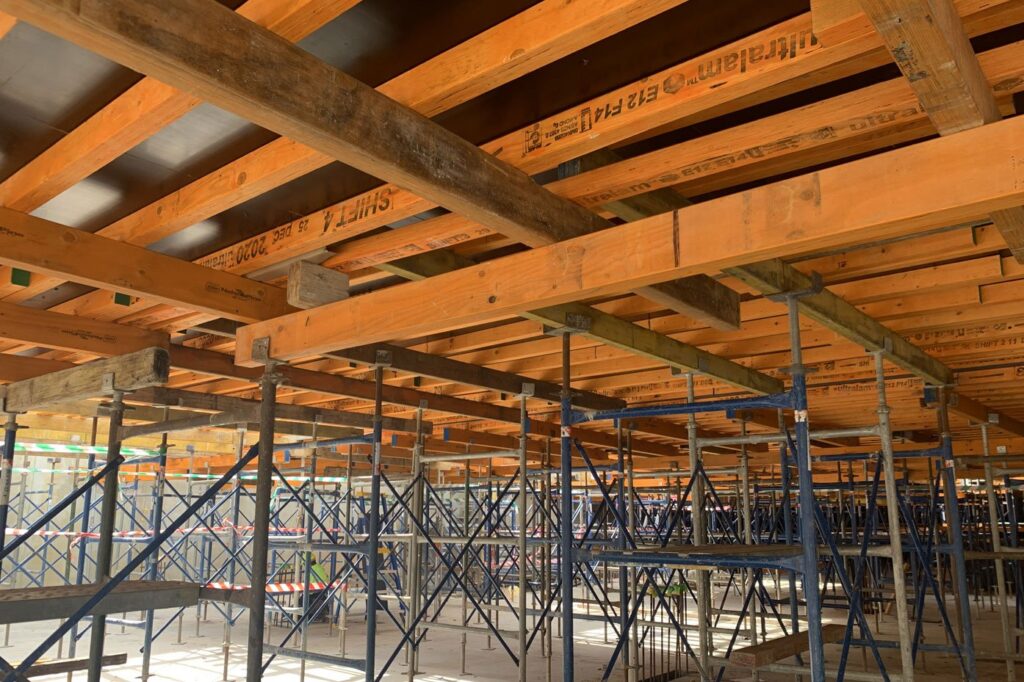
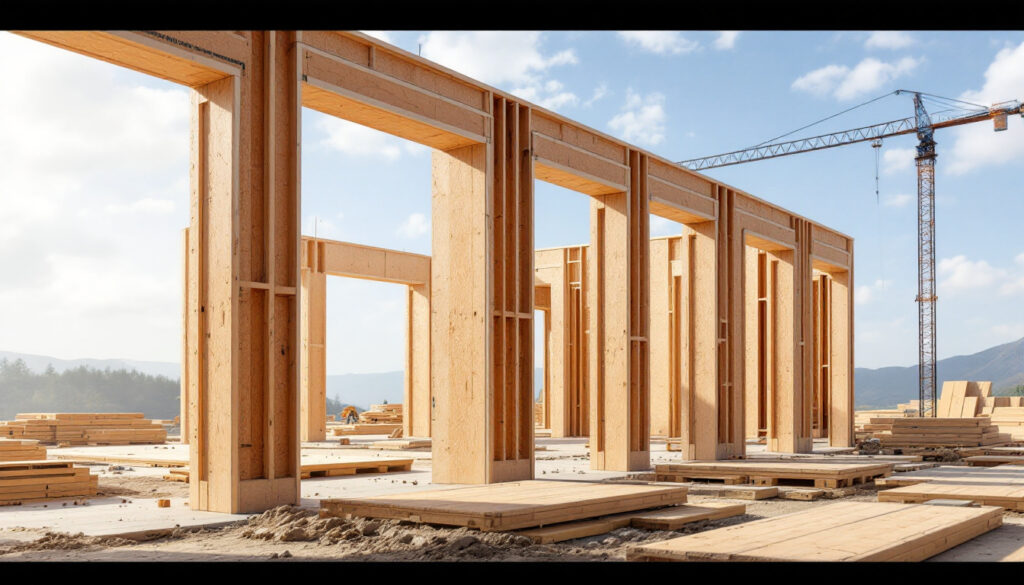
LVL (laminated veneer lumber) is an engineered wood product made by bonding thin timber veneers in the same grain direction. They use it for formwork bearers, joists, walers, and strongbacks because it is typically more uniform, less knot-affected, and more dimensionally stable than many sawn alternatives. When assessing timber LVL formwork prices, contractors often weigh this consistency and reduced waste against upfront material costs.
In practice, that means fewer surprises in deflection, easier line and level control, and more consistent performance across repeated pours.
What do LVL load ratings actually refer to?
Load ratings generally refer to the member’s structural capacity and stiffness under defined conditions. They are not a universal “safe load” number that applies to every span, support layout, or site environment.
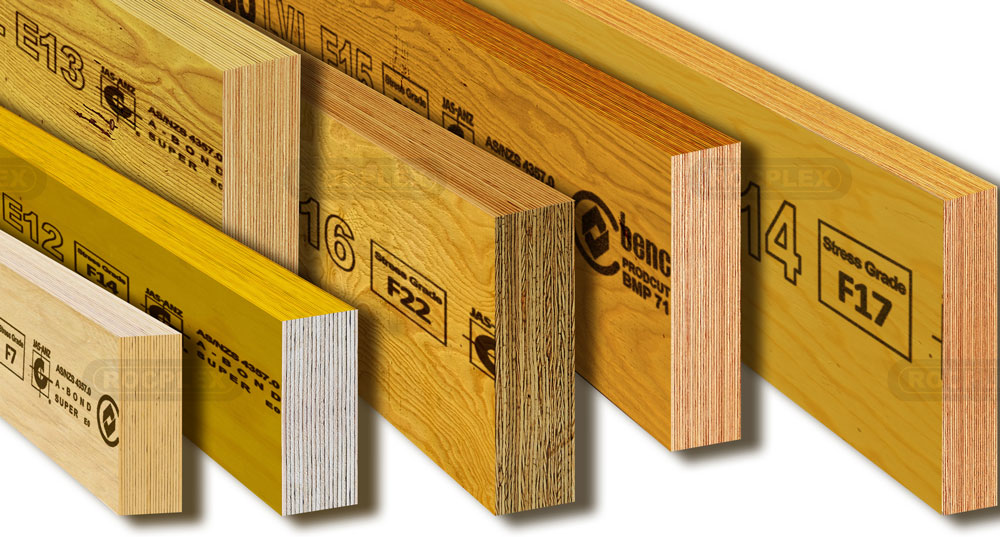
Manufacturers usually express LVL capability using design properties (such as bending strength and stiffness) and sometimes a product grade or series. The actual capacity in a formwork setup depends on span, spacing, bracing, restraint against lateral buckling, duration of load, and whether the member is acting as a simply supported beam, continuous beam, or part of a built-up system.
How are LVL formwork loads calculated on site?
They are calculated from actions and combinations, not guesses. For formwork, the main actions often include wet concrete pressure, formwork self-weight, construction live loads (workers, pumps, materials), and impact or dynamic effects.
Engineers or competent designers then check bending, shear, bearing at supports, and deflection. They also check stability issues such as lateral restraint, torsion, and load sharing where members are closely spaced. A “strong” LVL can still fail if it is not braced or if bearings crush the timber at a support.
Which factors change LVL capacity the most in formwork?
Span and restraint change capacity fast. Longer spans increase bending moments and deflection dramatically, and unrestrained compression edges can trigger lateral-torsional buckling.
Moisture exposure also matters. LVL used in formwork is frequently exposed to rain, curing water, and wet concrete contact, so teams must follow the manufacturer’s limits for weather exposure, sealing, and re-use. Damage from notching, drilling, splitting, crushing at props, or repeated nail patterns can reduce capacity and should be treated as a design change, not normal wear.
What compliance documents should LVL formwork timber have?
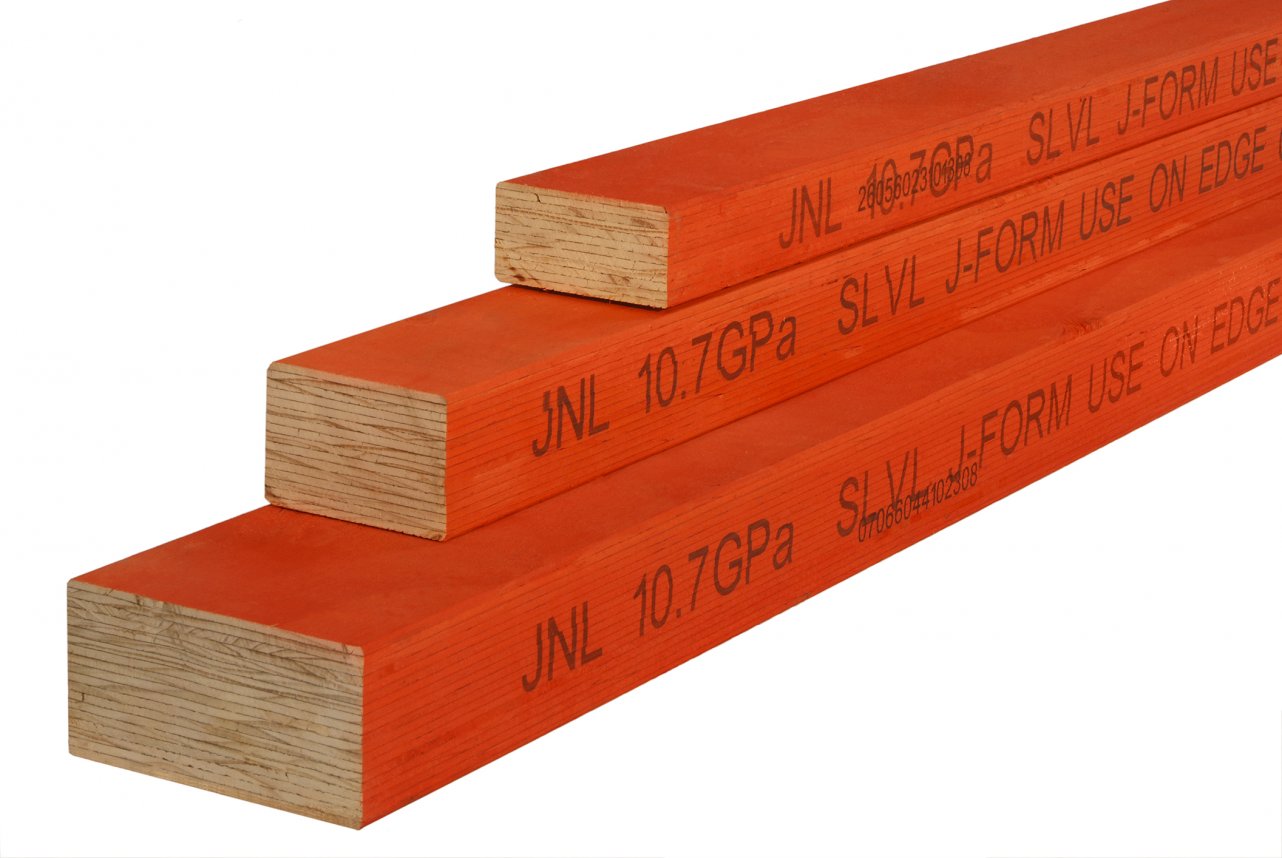
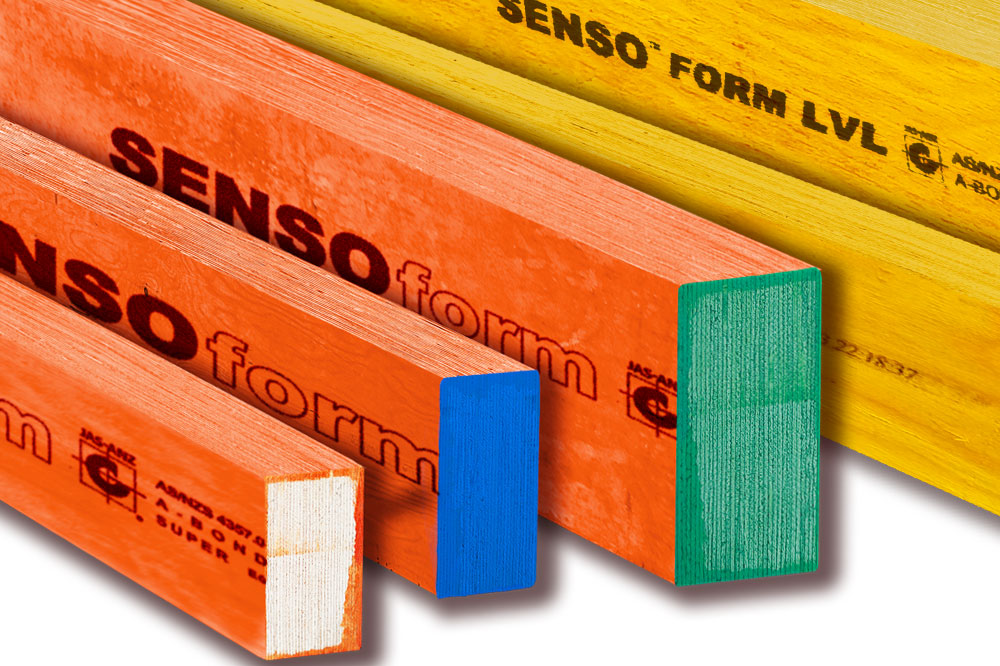
They should be able to trace the LVL to a manufacturer and a defined product specification. At minimum, teams typically look for a product identification mark, a technical data sheet, and evidence the product is manufactured under a recognised quality system.
Depending on jurisdiction and project requirements, compliance may include third-party certification, a declaration of performance, or documentation showing the LVL meets a nominated standard and grade. If the LVL arrives with no clear product ID and no current data sheet, it is hard to prove capacity and harder to defend decisions after an incident.
How can teams verify that delivered LVL matches the specified rating?
They should verify three things: identity, condition, and suitability for the layout. Identity means the member markings match the specified product and the paperwork. Condition means it is straight enough, not delaminated, not severely checked or split, and not crushed at bearing points from prior use.
Suitability means the section size, lengths, and permitted holes or notches align with the design assumptions. If they swap a size, rotate members, or cut them shorter, they should confirm the revised configuration still satisfies bending, shear, bearing, and deflection checks.
What are the most common compliance mistakes with LVL in formwork?
The most common mistake is assuming any LVL of the same depth is interchangeable. Different LVL products can have different stiffness and strength, and that changes deflection, prop spacing, and safe re-use expectations.
Another mistake is relying on “rule of thumb” spans while ignoring bracing and bearing. Formwork failures often involve local crushing at props, inadequate lateral restraint, or damage accumulation across re-uses. A final mistake is mixing old, untraceable members into a certified system, which makes the entire assembly harder to justify.
How should LVL be handled, stored, and re-used to stay compliant?
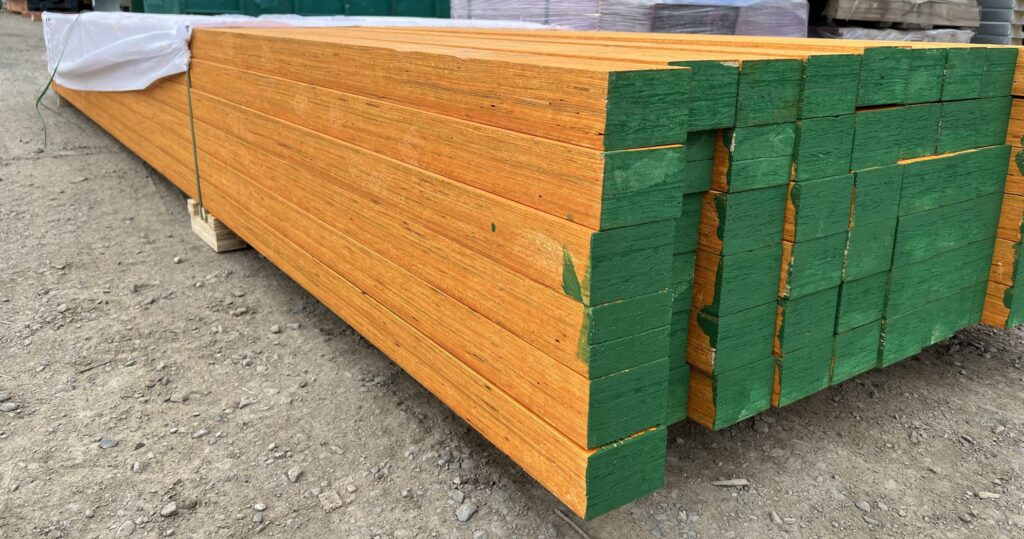
They should store LVL off the ground, supported evenly, and protected from prolonged wetting. Ends should be protected if the manufacturer requires sealing, and damaged members should be quarantined rather than pushed back into rotation.
For re-use, they should implement an inspection routine that checks straightness, delamination, splitting, excessive holes or notches, fastener tear-out, and crushed bearing zones. Where a project requires documented control, they should keep simple records of inspection outcomes and removal from service criteria.
What should they ask suppliers or designers before a pour?
They should ask for the LVL technical data sheet and the formwork design assumptions that drive spacing and bracing. They should also ask what exposure conditions the product is rated for, what notching and drilling rules apply, and what the rejection criteria are for re-used members.
If there is any mismatch between the specified LVL and what arrives on site, they should pause and resolve it before loading the system. In formwork, correct paperwork and correct installation matter as much as the timber itself.
FAQs (Frequently Asked Questions)
What is LVL formwork timber and why is it preferred in construction?
LVL (laminated veneer lumber) formwork timber is an engineered wood product made by bonding thin timber veneers in the same grain direction. It is preferred for formwork bearers, joists, walers, and strongbacks because it stays straighter, carries load more predictably, is more uniform, less knot-affected, and dimensionally stable compared to many solid timbers. This results in fewer surprises in deflection, easier line and level control, and consistent performance across repeated pours.
How do LVL load ratings relate to their structural capacity in formwork applications?
LVL load ratings refer to the member’s structural capacity and stiffness under defined conditions but are not universal safe loads for every span or layout. Manufacturers express LVL capability using design properties like bending strength and stiffness and sometimes a product grade or series. Actual capacity depends on factors such as span length, spacing, bracing, lateral restraint, load duration, and whether the member acts as a simply supported beam or part of a built-up system.
What factors most significantly affect the load capacity of LVL formwork timber on site?
Span length and restraint have the greatest impact on LVL capacity; longer spans increase bending moments and deflection dramatically. Lack of lateral restraint can cause lateral-torsional buckling. Moisture exposure from rain or wet concrete can degrade LVL if manufacturer limits are exceeded. Damage from notching, drilling, splitting, crushing at props, or repeated nail patterns also reduces capacity and should be treated as a design change.
What compliance documentation should accompany LVL formwork timber to ensure its suitability?
LVL formwork timber should have traceability to a manufacturer and defined product specification. Essential documents include a product identification mark, technical data sheet, and evidence of manufacture under a recognized quality system. Depending on jurisdiction or project needs, compliance may also require third-party certification, declaration of performance, or documentation proving the LVL meets nominated standards and grades.
How can construction teams verify that delivered LVL matches specified ratings before use?
Teams should verify identity by checking member markings against specifications and paperwork; assess condition ensuring members are straight without delamination, splits, or crushing at bearing points; and confirm suitability by verifying section sizes, lengths, holes or notches align with design assumptions. Any alterations such as size swaps or cuts require rechecking bending, shear, bearing, and deflection criteria to maintain safety.
What best practices ensure proper handling, storage, and re-use of LVL formwork timber to maintain compliance?
LVL should be stored off the ground on even supports protected from prolonged wetting; ends should be sealed if required by the manufacturer; damaged members must be quarantined rather than reused. For re-use, implement inspection routines checking for straightness, delamination, splitting, excessive holes/notches, fastener tear-out, and crushed bearing zones. Keeping simple records of inspections and removal criteria helps maintain documented control over LVL condition.
What Do You Need to Know About Air Conditioning Pricing in the Hills District for 2024?
Air conditioning pricing in the Hills District for 2024 varies significantly based on system type, property size, and installation requirements. Costs can range from budget-friendly split systems to comprehensive commercial installations. Understanding these price factors can help homeowners and businesses make informed decisions about their cooling investments.
Why is Pricing Information Important?
Hills air conditioning systems are essential for maintaining comfort and productivity during the Hills District’s hot summer months. With rising temperatures, property owners rely on efficient climate control solutions to keep indoor spaces cool and functional. To plan effectively, accurate pricing information for Hills air conditioning installation and maintenance is crucial, helping homeowners and businesses budget confidently and avoid unexpected costs.
Who Can Help with Air Conditioning Solutions?
Fitzgerald Air Conditioning Kellyville serves as a trusted local provider specialising in both residential and commercial solutions throughout the Hills District. Based in Kellyville, this fully licensed and insured company brings extensive expertise to every project, from simple home installations to complex commercial systems.
What Should You Consider in the 2024 Market?
The 2024 air conditioning market presents unique considerations:
Rising energy efficiency standards affecting system selection
Updated building codes influencing installation requirements
Supply chain factors impacting brand availability
Labour costs reflecting skilled technician demand
Technology advancements in smart climate control
How Do You Choose the Right Air Conditioning Solution?
Choosing the right air conditioning solution requires balancing upfront investment against long-term running costs. Professional guidance from experienced local providers ensures you select systems matched to your specific needs, avoiding oversized units that waste energy or undersized systems that struggle during peak temperatures.
This definitive guide explores comprehensive pricing structures, helping you navigate the air conditioning market with confidence and clarity for your 2024 investment decisions.
What Factors Influence Air Conditioning Pricing in the Hills District?
Air conditioning pricing factors in the Hills District depend primarily on four core elements: the type of system you select, your property size, installation complexity, and brand choice. Understanding these variables helps you budget accurately for your 2024 investment.
System Type and Configuration
The system type you choose creates the foundation of your pricing structure. Split systems typically represent the most affordable entry point for single rooms, whilst ducted air conditioning commands higher upfront costs but delivers whole-home comfort. Multi-split systems sit between these options, allowing multiple indoor units connected to one outdoor compressor.
Common system types and their pricing impact:
Split systems – Budget-friendly for individual rooms, lower installation labour
Ducted systems – Higher material and installation costs, comprehensive coverage
VRV/VRF systems – Premium commercial solutions with sophisticated controls
Property Size Considerations
Your property dimensions directly affect both equipment capacity requirements and installation costs. A standard three-bedroom home in Castle Hill requires different specifications compared to a five-bedroom residence in Kellyville or a commercial space in Baulkham Hills.
Residential properties under 150 square metres generally need systems ranging from 7kW to 10kW capacity. Larger homes exceeding 250 square metres often require 14kW+ systems or multiple units. Commercial spaces demand detailed load calculations accounting for occupancy levels, equipment heat generation, and operational hours.
Installation Complexity Variables
The physical characteristics of your property significantly impact labour costs and installation timeframes. Roof cavity accessibility, electrical infrastructure upgrades, and structural modifications all influence the final price.
Complexity factors affecting installation costs:
Roof type and pitch angle
Distance between indoor and outdoor units
Existing electrical capacity and switchboard condition
Asbestos presence requiring specialist removal
Multi-storey installations needing scaffolding or elevated work platforms
Concealed ducting requirements in renovated homes
Brand Selection Impact
Premium brands like Daikin and Mitsubishi Electric typically cost 15-30% more than economy alternatives, yet deliver superior energy efficiency ratings, quieter operation, and extended warranties. The
How Does Fitzgerald Air Conditioning Serve the Hills District Market?
Fitzgerald Air Conditioning services Hills District communities from their Kellyville base, providing comprehensive coverage across Castle Hill, Baulkham Hills, Rouse Hill, Beaumont Hills, and surrounding suburbs. Their strategic location enables rapid response times and intimate knowledge of local property types, from heritage homes to modern developments.
What Makes Their Service Area Coverage Unique?
The company’s positioning in Kellyville places them at the heart of the Hills District, allowing their technicians to reach most properties within 20-30 minutes. This proximity translates to reduced call-out fees and faster emergency response compared to metropolitan-based competitors. Kellyville air conditioning experts understand the specific challenges of the area, including the region’s temperature variations, humidity levels, and the architectural diversity of local properties.
Their service radius extends beyond the immediate Hills District to include:
Kellyville and Kellyville Ridge
The Ponds and Box Hill
Glenwood and Bella Vista
Norwest Business Park
Quakers Hill and Acacia Gardens
How Do They Cater to Both Residential and Commercial Clients?
Fitzgerald operates dual specialisations that address distinct market needs. Their residential division focuses on family homes, townhouses, and flats, whilst their commercial arm handles everything from small retail spaces to large-scale educational facilities. This dual capability means they maintain expertise across vastly different system requirements—from compact split systems for bedrooms to multi-zone ducted solutions for office buildings.
Residential services include:
Single-room split system installations
Whole-home ducted air conditioning
Multi-storey property solutions
Heritage home adaptations
Energy-efficient system upgrades
Commercial applications cover:
Hospitality venues (restaurants, cafés, hotels)
Fitness centres and gymnasiums
Educational institutions
Medical and dental practices
Retail spaces and showrooms
What Advantages Come from Choosing a Local Licensed Provider?
Selecting a locally-based, fully licensed company like Fitzgerald delivers tangible benefits beyond basic installation. Their 100% satisfaction guarantee carries weight because their reputation depends on word-of-mouth within a concentrated geographic area. Furthermore, they provide valuable insights into weatherization strategies that can significantly enhance energy efficiency in both residential and commercial settings.
What Are the Typical Costs for Residential Air Conditioning Installation and Maintenance in the Hills District?
The cost of installing residential air conditioning in the Hills District can vary greatly depending on the type of system and the size of your home. Single-room split systems typically start at around £1,200 to £2,500 for both supply and installation. On the other hand, ducted systems that cool entire homes usually range from £8,000 to £15,000 or even more. These prices reflect the costs in 2024 for high-quality installations using well-known brands.
How Much Do Different System Types Cost?
Split System Installations:
Small bedroom units (2.5kW): £1,200 – £1,800
Medium living areas (5kW): £1,800 – £2,500
Large spaces (7kW+): £2,500 – £3,500
Multi-Split Systems:
Two-room configurations: £4,000 – £6,000
Three to four rooms: £6,500 – £9,000
Ducted Systems:
Three-bedroom homes: £8,000 – £12,000
Four to five-bedroom homes: £12,000 – £18,000
Premium installations with zoning: £15,000 – £25,000
What Influences Brand-Specific Pricing?
Daikin installations are priced higher because of their reputation for dependability and energy efficiency. In the Hills District, a standard 5kW Daikin split system with installation usually costs between £2,200 and £3,200. Their ducted systems start at around £10,000 for medium-sized homes.
Mitsubishi Electric offers similar quality with prices comparable to Daikin. Their split systems range from £2,000 to £3,000 for mid-range units, while ducted solutions begin at approximately £9,500.
LG provides excellent value positioning, with split system installations starting from £1,500 to £2,400. Their competitive pricing makes them attractive for budget-conscious homeowners seeking reliable performance.
Why Does Regular Maintenance Matter for Your Investment?
Annual servicing prevents costly breakdowns and maintains optimal efficiency. A well-maintained system operates.
What Should Commercial Clients Expect Regarding Air Conditioning Pricing in the Hills District?
Commercial air conditioning costs in the Hills District vary significantly based on business type, with hospitality venues typically investing between £15,000 and £80,000+ depending on establishment size and requirements. Educational facilities and gyms face similar ranges, though specific needs like ventilation rates and occupancy loads directly impact final pricing.
How Do Different Commercial Sectors Impact Pricing?
Hospitality venues require sophisticated climate control systems that maintain consistent temperatures across dining areas, kitchens, and function spaces. Restaurants and cafés in the Hills District typically need multi-zone systems with enhanced air quality features, pushing costs higher than standard installations. The combination of high heat loads from cooking equipment and customer comfort expectations demands premium solutions.
Gyms and fitness centres present unique challenges with high occupancy rates and intense heat generation from equipment and exercise. These facilities require robust systems with superior air circulation capabilities, often necessitating commercial-grade units rated for continuous heavy-duty operation. Pricing reflects the need for higher capacity systems and specialised ventilation.
Educational facilities must balance budget constraints with the need for reliable, efficient climate control across multiple classrooms and common areas. Schools and childcare centres require systems that maintain healthy indoor air quality whilst managing varying occupancy throughout the day. The scale of these projects typically ranges from £25,000 for smaller centres to £100,000+ for larger educational campuses.
What Complexity Factors Influence Commercial Costs?
System complexity directly correlates with installation costs. Multi-storey buildings require additional ductwork, refrigerant piping, and electrical infrastructure compared to single-level premises. Buildings with limited ceiling space or heritage restrictions face higher labour costs due to installation challenges.
Key complexity considerations include:
Existing infrastructure compatibility and potential upgrade requirements
Zoning needs across different operational areas
After-hours installation requirements to minimise business disruption
Building code compliance and certification costs
Integration with existing building management systems
The number of indoor units and outdoor condensers scales pricing exponentially. A small retail shop might operate efficiently with a single split system costing £4,000-£8,000, whilst a multi-room commercial space requires ducted or VRF systems starting from £20,000.
Which Brands Does Fitzgerald Work With and How Do They Affect Pricing?
Fitzgerald Air Conditioning partners with five premium manufacturers: Daikin, Actron Air, Mitsubishi, LG, and Samsung. Each brand brings distinct pricing structures, technological features, and warranty packages that directly impact both initial investment and operational costs.
Understanding Brand-Specific Pricing Structures
Daikin air conditioners Hills District price points typically position at the premium end of the market, reflecting the brand’s Japanese engineering heritage and advanced inverter technology. A standard 2.5kW Daikin split system installation ranges from £1,800 to £2,500, whilst larger 7kW units can reach £3,500 to £4,800 depending on model specifications and installation requirements.
Actron Air cost comparison reveals competitive pricing for Australian-designed systems built specifically for local climate conditions. Their ducted systems generally start from £8,000 for smaller homes, with mid-range installations averaging £10,000 to £14,000. The brand’s focus on energy efficiency often delivers lower running costs that offset higher upfront expenditure.
Mitsubishi Electric systems command similar pricing to Daikin, with split systems ranging from £1,700 to £4,500. Their reputation for whisper-quiet operation and reliability justifies the investment for noise-sensitive environments.
LG and Samsung offer more budget-conscious options without sacrificing quality. Split system installations typically start from £1,500, making them attractive for cost-aware homeowners. These Korean manufacturers have significantly improved their HVAC technology, now competing directly with established Japanese brands.
Premium Features vs Budget Considerations
The price differential between brands reflects tangible differences in performance metrics:
Energy efficiency ratings – Premium brands like Daikin often achieve 5+ star ratings, reducing electricity bills by 20-30% compared to budget alternatives
Noise levels – High-end Mitsubishi units operate at 19-22 decibels, compared to 25-30 decibels for economy models
Smart home integration – Samsung and LG excel in connectivity features, whilst Daikin offers sophisticated zoning capabilities
Warranty coverage – Premium brands typically
Why Is Quality Aftercare Important and How Does It Influence Overall Value?
Quality aftercare transforms a one-time purchase into a long-term investment that protects your air conditioning system’s performance and lifespan. When evaluating air conditioning aftercare Hills District services, the level of post-installation support directly impacts your system’s efficiency, running costs, and overall value over its 10-15 year operational life.
What Makes Ongoing Maintenance Support Essential?
Regular maintenance prevents minor issues from escalating into costly repairs or premature system failure. Professional servicing every 12 months ensures your air conditioning operates at peak efficiency, reducing energy consumption by up to 15% compared to neglected systems.
Fitzgerald Air Conditioning’s warm service approach means their team remains available for questions, seasonal tune-ups, and emergency callouts throughout your system’s lifetime. This ongoing relationship ensures you’re never left struggling with a malfunctioning unit during extreme weather conditions that frequently affect the Hills District.
How Do Warranties and Guarantees Protect Your Investment?
Comprehensive warranties shield you from unexpected repair costs during the critical early years of system ownership. HVAC service warranty benefits extend beyond manufacturer coverage to include installation workmanship guarantees that protect against fitting errors or component failures.
Fitzgerald’s 100% satisfaction guarantee demonstrates their confidence in both product quality and installation standards. This commitment means any performance issues receive prompt attention without additional charges, eliminating the risk of hidden costs that can undermine your initial budget calculations.
Key warranty considerations include:
Manufacturer parts coverage (typically 5-7 years for premium brands)
Professional aftercare encompasses scheduled maintenance visits, priority service access, and technical support that keeps your system running optimally. Fitzgerald’s experienced technicians perform thorough inspections that identify potential problems before they cause system downtime or comfort disruptions.
Their maintenance programmes typically include:
Filter cleaning and replacement
Refrigerant level checks and top-ups
Electrical connection inspections
Condensate drain clearance
Thermostat calibration
Performance efficiency testing
How Can Customers Get Accurate Quotes from Fitzgerald Air Conditioning?
Getting air conditioning quotes Hills District 2024 starts with contacting Fitzgerald’s team directly to discuss your specific requirements. The company provides tailored estimates rather than generic pricing, recognising that every property has unique cooling needs based on size, layout, insulation quality, and usage patterns.
What Information Should You Prepare Before Requesting a Quote?
Property details form the foundation of accurate pricing. Customers should have measurements of the spaces requiring air conditioning, including ceiling heights and room dimensions. Information about existing electrical infrastructure, particularly for older homes, helps the team assess installation complexity. For commercial clients, details about operating hours, occupancy levels, and specific temperature requirements ensure the quote reflects actual needs. It’s also beneficial to have an understanding of the property’s overall value which can be derived from resources such as the Real Property Valuation Manual.
The type of system you’re considering—split system, ducted, multi-head, or cassette—significantly impacts pricing. If you’re unsure which option suits your property best, Fitzgerald’s team can guide you during the initial consultation.
Why Are On-Site Assessments Essential for Accurate Pricing?
Personalised HVAC estimates Kellyville require professional site visits in most cases. Fitzgerald’s experienced technicians conduct thorough property assessments to identify factors that influence installation costs. They examine wall construction, roof space accessibility, optimal unit placement, and potential obstacles that could affect labour requirements.
During these assessments, the team evaluates:
Electrical capacity and potential upgrade needs
Ductwork requirements for ducted systems
Outdoor unit placement options and restrictions
Insulation quality affecting system sizing
Structural considerations for mounting equipment
These on-site evaluations prevent unexpected costs during installation and ensure the quoted system will deliver optimal performance for your specific environment.
What Contact Methods Does Fitzgerald Offer for Quote Requests?
Fitzgerald Air Conditioning provides multiple channels for customers seeking quotes. Their Kellyville office accepts phone enquiries during business hours, allowing immediate discussion of your requirements with knowledgeable staff. Email submissions work well for customers who prefer written communication or need to share property photos and floor plans.
The consultation process typically begins with a brief phone conversation to understand your basic needs, followed by scheduling an on-site assessment. For straightforward residential installations, preliminary pricing estimates may be available after the initial discussion with final quotes provided thereafter.
In some instances, especially for properties that may have suffered damage or require extensive modifications, it may be necessary to conduct a detailed damage assessment to fully understand the scope of work required before providing an accurate quote.
Why Should You Choose Local HVAC Experts Like Fitzgerald Air Conditioning for Your 2024 Investment?
Local expertise delivers better outcomes than distant contractors. Fitzgerald Air Conditioning’s Kellyville base means they understand the Hills District’s unique climate patterns, building styles, and specific cooling requirements that affect system performance and longevity.
What Makes Local Providers the Smart Choice?
Choosing a local HVAC specialist offers tangible advantages that directly impact your investment. Response times for service calls, warranty work, and emergency repairs are significantly faster when your provider operates within the community rather than travelling from distant suburbs.
Fitzgerald’s local presence translates to accountability. Their reputation depends on satisfied Hills District customers, creating a natural incentive to deliver exceptional service. This community connection ensures they remain accessible long after installation, unlike larger companies that may prioritise new sales over existing client relationships.
How Does Local Knowledge Impact Pricing and Value?
Understanding regional factors helps local experts recommend appropriate solutions without overselling. Fitzgerald’s team recognises which systems perform best in Hills District conditions, preventing costly mistakes from unsuitable equipment choices.
Their established supplier relationships within the region often secure better pricing on quality brands. These savings are passed on to customers whilst maintaining the high standards expected from premium brands like Daikin, Mitsubishi, and LG. This combination creates the best value air conditioning Hills District 2024 residents can access.
What Personalised Service Can You Expect?
Generic quotes from national chains rarely account for your property’s specific requirements. Fitzgerald’s approach involves detailed consultations that consider:
Your building’s orientation and sun exposure patterns
Existing insulation quality and thermal performance
Usage patterns and occupancy schedules
Budget constraints and long-term efficiency goals
Future expansion or modification plans
This personalised assessment ensures your system matches actual needs rather than standard package offerings.
Why Does Licensing and Insurance Matter?
Fully licensed and insured professionals protect your investment and property. Fitzgerald’s credentials guarantee compliance with Australian standards and building codes, preventing potential issues during insurance claims or property sales. Their 100% satisfaction guarantee adds another layer of security to your purchase decision.
Unlicensed installers may offer lower upfront costs but expose you to significant risks including voided manufacturer warranties.
Sydney’s climate demands reliable air conditioning—scorching summers with temperatures regularly exceeding 30°C and humidity levels that make indoor comfort essential. Your AC system works overtime in these conditions, Air Conditioning Maintenance Sydney residents prioritise is not a luxury—it’s a necessity for long-term system performance and reliability.
Without proper care, air conditioning units experience accelerated wear due to Sydney’s temperature extremes, coastal salt exposure, and seasonal humidity changes. Systems that receive little or no maintenance often fail prematurely, leaving homes and businesses without cooling during peak summer months. The cost goes beyond early replacement, as poorly maintained units consume more energy, drive up electricity bills, and deliver reduced comfort.
To maximise system lifespan, property owners need a strategic approach to Air Conditioning Maintenance Sydney. This guide highlights four proven methods to protect your investment:
Regular professional servicing aligned with Sydney’s seasonal climate demands
Early detection and repair of minor issues before they escalate into major failures
Correct installation and accurate system sizing from the start
Simple user-performed maintenance tasks, such as those outlined in a standard AC preventive maintenance checklist
When combined, these practices help air conditioning systems operate efficiently for 15–25 years. Each method addresses climate-specific challenges common in Sydney, from filter blockages caused by dust and pollen to compressor strain during extended heatwaves. By committing to consistent Air Conditioning Maintenance Sydney, you reduce breakdowns, lower energy consumption, and maintain healthy indoor air quality throughout the life of your system.
Why Is Regular Servicing Essential for Air Conditioning Systems in Sydney?
Regular AC servicing Sydney schedules form the foundation of system longevity. Professional aircon service twice yearly—ideally during autumn before summer’s peak demand and spring before winter heating needs—keeps your unit operating at optimal capacity.
What Happens During Professional Aircon Service?
Biannual AC maintenance involves comprehensive checks that go far beyond surface-level cleaning. Trained technicians perform systematic inspections that identify potential failures before they escalate into costly repairs.
Professional servicing includes:
Filter cleaning or replacement – Removes accumulated dust, pollen, and debris that restrict airflow
Coil inspection and cleaning – Ensures heat exchange surfaces remain free from buildup that reduces efficiency
Refrigerant level verification – Confirms optimal cooling capacity without leaks or undercharging
Lubrication of moving components – Reduces friction on motors, fans, and bearings to prevent premature wear
Ductwork inspection – Identifies leaks, blockages, or damage affecting air distribution
How Does Servicing Prevent Breakdowns?
Sydney’s climate places extraordinary demands on air conditioning systems. Summer temperatures regularly exceed 30°C, forcing units to run continuously for extended periods. Without regular AC servicing Sydney residents schedule, components deteriorate faster under this constant strain.
Dirty coils force compressors to work harder, generating excessive heat that shortens their operational life. Clogged filters reduce airflow, causing evaporator coils to freeze and potentially damaging the entire refrigeration cycle. Low refrigerant levels from undetected leaks make systems run longer to achieve desired temperatures, accelerating wear on electrical components.
The Efficiency Connection
Serviced systems consume 15-20% less energy than neglected units performing the same cooling tasks. Clean filters allow unrestricted airflow, reducing the energy required to circulate conditioned air throughout your space. Properly charged refrigerant systems reach target temperatures faster, minimising compressor runtime.
Professional technicians calibrate thermostats during biannual AC maintenance visits, ensuring accurate temperature readings that prevent unnecessary cycling. They tighten electrical connections that may have loosened through vibration, reducing energy wastage.
By investing in regular servicing for your air conditioning system in Sydney, you not only extend its lifespan but also improve its energy efficiency. This means lower utility bills and a reduced carbon footprint—an environmentally friendly choice for both your wallet and the planet.
How Do Timely Repairs and Issue Resolution Help Prolong AC System Life?
Addressing AC repairs Sydney residents require at the first sign of trouble prevents minor issues from escalating into major system failures. Quick intervention stops small problems from damaging interconnected components, which can reduce your air conditioner’s lifespan by years.
Recognising Warning Signs Before They Become Costly Problems
Your air conditioning system communicates distress through specific symptoms that demand immediate attention:
Weak airflow indicates blocked ducts, failing fans, or compressor issues that force the system to work harder
Unusual noises such as grinding, squealing, or banging signal loose parts, worn bearings, or debris in the unit
Water leaks around the indoor unit suggest blocked condensate drains or frozen evaporator coils
Refrigerant leaks appear as ice buildup on copper lines or hissing sounds near connections
Musty odours point to mould growth in ductwork or on wet coils
Burnt smells warn of electrical problems or overheating components
These common aircon problems rarely resolve themselves. Each symptom represents a specific mechanical or electrical fault requiring professional diagnosis.
The Cascading Effect of Delayed Repairs
Ignoring early warning signs creates a domino effect throughout your system. A dirty filter restricts airflow, causing the evaporator coil to freeze. The frozen coil forces the compressor to run continuously, overheating and potentially burning out this expensive component. What begins as a £20 filter replacement escalates into a £2,000 compressor failure.
Energy consumption spikes when components malfunction. A refrigerant leak reduces cooling capacity by 20% whilst increasing electricity usage by up to 30%. The system runs longer cycles to achieve desired temperatures, accelerating wear on all moving parts.
The Financial Logic of Prompt Professional Intervention
Timely maintenance benefits extend far beyond avoiding emergency breakdowns. Professional technicians identify developing issues during routine inspections, allowing scheduled repairs rather than crisis responses. A worn fan belt replaced during a service call costs significantly less than the same repair performed as an emergency callout.
Early intervention preserves warranty coverage. Most manufacturers void warranties when systems operate with known defects.
Moreover, it’s crucial to remember that certain conditions can exacerbate existing issues. For instance, if you live in an area prone to freezing temperatures, like Lansdale PA, it’s essential to understand how these conditions can affect your heat pump’s performance. This guide on avoiding heat pump freezing provides valuable insights into maintaining your system during colder months.
What Role Does Proper Installation and System Sizing Play in System Longevity?
Air conditioning installation Sydney decisions made at the outset determine whether your system will operate efficiently for decades or struggle from day one. Correct system sizing and strategic placement form the foundation of long-term performance, preventing mechanical stress that shortens equipment life.
The Hidden Costs of Incorrect System Sizing
An oversized air conditioning unit cycles on and off repeatedly—a phenomenon called short-cycling that places enormous strain on the compressor. Each startup draws maximum power and generates mechanical stress, wearing down components far faster than continuous operation. The system cools the space too quickly without adequate dehumidification, creating uncomfortable humidity levels whilst consuming excessive energy.
Undersized systems face the opposite problem: they run continuously without achieving desired temperatures. The compressor never rests, motors overheat, and components deteriorate rapidly under constant demand. Sydney’s summer heat intensifies this issue, forcing inadequate systems to operate at maximum capacity for extended periods.
Correct system sizing requires professional load calculations accounting for:
Room dimensions and ceiling heights
Window sizes, orientations, and glazing types
Insulation quality and building materials
Occupancy patterns and heat-generating appliances
Sydney’s specific climate characteristics
Strategic Outdoor Unit Placement
The outdoor condenser unit’s location directly impacts compressor lifespan and energy efficiency. Units positioned in direct sunlight work significantly harder to dissipate heat, forcing the compressor to run longer cycles and consume more electricity. Sydney’s intense UV exposure accelerates component degradation, fading protective coatings and weakening plastic housings.
Optimal outdoor unit placement considerations include:
Shaded locations: North-facing walls with natural shade or purpose-built covers reduce heat absorption
Adequate clearance: Minimum 500mm spacing around all sides ensures proper airflow and heat exchange
Elevated positioning: Raised platforms prevent flood damage and improve drainage
Protected areas: Locations sheltered from harsh weather whilst maintaining ventilation
Avoid placing units near heat-reflective surfaces like light-coloured walls or metal fencing, which amplify ambient temperatures. Ground-level installations should sit on stable, vibration-dampening pads that prevent mechanical stress transfer.
What Routine Maintenance Tasks Can Users Perform to Enhance Efficiency?
Homeowners can maintain their air conditioning systems between professional services through simple yet effective tasks. Regular filter cleaning or replacement every three months stands as the most critical DIY task, directly impacting airflow quality and preventing the evaporator coils from freezing due to restricted air circulation.
These tips empower users to spot potential problems early. Dirty filters force the system to work harder, increasing energy consumption by up to 15% and placing unnecessary strain on components. The frequency of filter cleaning should increase during peak usage months or in homes with pets, smokers, or allergy sufferers—potentially requiring monthly attention rather than quarterly.
Essential User-Performed Maintenance Tasks
Filter inspection and cleaning: Remove filters monthly to check for dust accumulation, washing reusable filters with mild soap and water, allowing complete drying before reinstallation
Visual checks around the unit: Look for water pooling near indoor units, ice formation on refrigerant lines, or unusual condensation patterns
Outdoor unit clearance: Keep the area around external units free from leaves, debris, and vegetation within a 60cm radius
Vent and register cleaning: Vacuum supply and return vents to prevent dust recirculation throughout the home
Annual professional filter cleaning delivers benefits beyond what household maintenance achieves. Technicians use specialised equipment to deep-clean filters and internal components, removing microscopic particles and biological contaminants that regular washing cannot eliminate. This professional intervention restores optimal airflow capacity and extends filter lifespan by several years.
Checking for refrigerant leaks requires attention to specific warning signs. Hissing sounds near refrigerant lines, ice buildup on copper pipes, or a noticeable decline in cooling performance all indicate potential leaks. Users should inspect visible refrigerant lines for oil residue or frost accumulation, though actual leak detection and repair must be handled by licensed technicians due to environmental regulations and safety requirements.
Monthly Performance Monitoring
Simple performance checks help identify developing issues:
Temperature differential testing: Measure the temperature difference between supply and return air (should be 7-12°C)
Listening for abnormal sounds: Grinding, squeaking or rattling noises may indicate mechanical problems
Assessing airflow consistency: Check if all rooms receive equal airflow; discrepancies may point towards ductwork issues
By incorporating these routine maintenance tasks into their schedule, homeowners can significantly enhance the efficiency of their air conditioning systems while also prolonging their lifespan.
How Can Programmable Thermostats and Customised Plans Support System Longevity?
Programmable thermostats Sydney residents install can dramatically reduce system wear by automatically adjusting temperatures when spaces are unoccupied. These devices prevent your air conditioner from running at full capacity during off-hours, which decreases the strain on compressors and other critical components.
Automated Temperature Control Benefits
Smart temperature regulation means your system operates only when needed. During work hours or overnight when cooling demands change, programmable settings prevent unnecessary cycling that accelerates component degradation. This automated approach can reduce operational hours by 20-30% annually whilst maintaining comfort levels.
Key advantages include:
Reduced compressor runtime during peak heat periods
Minimized energy consumption during cooler evening hours
Prevention of temperature fluctuations that stress system components
Extended intervals between major repairs
Climate-Specific Maintenance Scheduling
Sydney’s subtropical climate presents unique challenges that generic maintenance plans cannot address. Customised AC maintenance plans account for the city’s high humidity levels during summer months and temperature swings between seasons, which place distinct demands on cooling systems.
Professional technicians develop tailored schedules that prioritise:
Pre-summer inspections before humidity peaks in December-February
Post-heatwave assessments following extreme temperature events
Increased filter replacement frequency during high-pollen spring months
Condensate drain monitoring during humid periods to prevent blockages
Adaptive Maintenance Strategies
Systems operating in coastal Sydney suburbs face salt air exposure, whilst western suburbs endure more extreme temperature variations. A customised plan addresses these location-specific factors by adjusting service intervals and focusing on components most vulnerable to local environmental conditions.
Temperature extremes above 35°C place exceptional stress on refrigerant systems and electrical components. Scheduled maintenance before and after Sydney’s hottest months ensures these elements receive targeted attention when they need it most, preventing premature failure and maintaining optimal refrigerant pressures. Check out more about the definitive guide to air conditioning Hills District pricing.
Why Should Residents and Businesses Choose Professional Technicians for Maintenance?
Professional HVAC technicians in Sydney have specialised knowledge that goes far beyond basic troubleshooting. Licensed technicians have extensive training in electrical systems, refrigerant handling, and safety protocols that protect both your property and the people inside it. Their diagnostic equipment can identify hidden problems like refrigerant leaks, electrical faults, or failing components before they turn into costly repairs or complete system breakdowns.
Advanced Diagnostic Capabilities
Professional technicians use calibrated instruments to measure refrigerant pressures, electrical current draw, and airflow volumes accurately. These measurements reveal inefficiencies that remain hidden during casual inspections. A qualified technician can detect a compressor drawing excessive amperage weeks before it fails, allowing for planned replacement instead of emergency service during Sydney’s hot summer days.
The benefits of expert air conditioning service also include safety compliance. Air conditioning systems involve high-voltage electricity, pressurised refrigerants, and complex mechanical components. Professionals understand Australian standards and regulations, ensuring your system operates legally while protecting occupants from potential dangers like electrical fires or refrigerant exposure. You may like to visit https://www.schoolinfrastructure.nsw.gov.au/what-we-do/we-look-after-our-schools/air-conditioning.html to get more about air conditioning.
Performance Optimisation Through Skilled Servicing
Trained technicians don’t just clean filters and check refrigerant levels—they fine-tune your system for maximum efficiency. This includes:
Calibrating thermostat sensors to ensure accurate temperature readings and prevent unnecessary cycling
Adjusting airflow balance across different areas to eliminate hot spots and reduce strain on the compressor
Optimising refrigerant charge to manufacturer specifications, which directly impacts cooling capacity and energy consumption
Cleaning condenser and evaporator coils using professional-grade solutions that remove stubborn buildup without damaging delicate fins
A properly optimised system can reduce energy consumption by 15-20% compared to a neglected unit, resulting in significant savings on electricity bills while reducing wear on components.
Extending Operational Life Beyond Standard Expectations
The difference between a system lasting 15 years versus 25 years often comes down to the quality of professional maintenance. Expert technicians identify wear patterns early on, recommending strategic component replacements before major failures happen. Catching a worn fan motor bearing early can save you a lot of money compared to replacing an entire motor.
Conclusion
Sydney’s demanding climate makes air conditioning maintenance essential for property owners seeking reliable, long-lasting HVAC systems. The four strategies outlined—regular professional servicing, timely repairs, proper installation, and routine user maintenance—work together to extend air conditioning lifespan Sydney residents can depend on for 15-25 years.
Taking action today prevents expensive emergency repairs tomorrow. Simple habits like quarterly filter changes combined with biannual professional inspections create a protective barrier against premature system failure. Each maintenance task compounds over time, transforming average equipment into long-lasting HVAC systems that deliver consistent comfort.
Sydney homeowners and business operators who commit to these practices see measurable returns:
Lower monthly energy bills through optimised efficiency
Fewer unexpected breakdowns during peak summer heat
Improved indoor air quality for healthier living spaces
Extended equipment lifespan that delays costly replacements
The investment in Air Conditioning Maintenance Sydney: 4 Ways to Extend Your System’s Lifespan pays dividends through reduced operational costs and uninterrupted cooling when you need it most. Partner with qualified technicians who understand Sydney’s unique climate challenges, and establish a maintenance schedule tailored to your system’s specific requirements.
Your air conditioning system works hard to keep you comfortable—return the favour with consistent, proactive care. Book your next service appointment before the season shifts, and experience the peace of mind that comes with a well-maintained cooling system built to last.
Herringbone tiles have always had a timeless charm, but in 2025, they are taking centre stage in modern interior design. Whether you’re refreshing a kitchen splashback, upgrading your bathroom, or creating a feature wall in the living room, herringbone offers a perfect blend of elegance, texture, and movement. With new colours, materials, and layout variations emerging this year, homeowners and designers are rediscovering how versatile this classic pattern can be.
If you’re planning a renovation or looking for fresh design inspiration, this guide explores the top herringbone tile ideas for 2025, along with styling tips, trending colours, and practical pros and cons.
What Are Herringbone Tiles?
Herringbone tiles are arranged in a distinctive V-shaped, zigzag pattern that resembles the skeleton of a herring fish—hence the name. Traditionally used in wooden parquet flooring, the pattern has evolved with time and is now one of the most popular tile layouts in contemporary homes.
What makes herringbone so appealing is its ability to bring movement to a space without overwhelming it. The directional layout draws the eye across the room, creating a sense of flow and visual interest. Whether installed horizontally, vertically, or diagonally, herringbone tiles introduce a designer-style finish that elevates even the simplest spaces.
2025 has seen a major shift toward textured, high-impact design styles, and herringbone fits perfectly into this movement. Here’s why the pattern is more popular than ever:
1. A Modern Twist on a Classic Look
Homeowners are looking for ways to incorporate timeless design elements without feeling outdated. Herringbone adds classic structure but feels fresh in modern colours like matte sage, charcoal, clay terracotta, and dusty neutrals.
2. Works Beautifully in Small Spaces
Herringbone creates an illusion of length or height depending on orientation, making it ideal for small bathrooms, narrow kitchens, and compact laundry spaces.
3. Compatible With All Materials
From stone and hardwood to porcelain and glass, the pattern adapts beautifully to materials and finishes. 2025 tile collections heavily feature herringbone formats due to high demand.
4. Adds Movement and Texture
Minimalist homes often need subtle textural elements. Herringbone tiles add a sense of movement that instantly energises flat or plain surfaces.
5. Easy to Customise
With micro herringbone, wide-plank herringbone, double herringbone, and mixed-material designs rising in popularity, homeowners can tailor the pattern to match their unique style.
Top Herringbone Tile Design Ideas for 2025
✨ Kitchen Herringbone Tile Ideas
1. Herringbone Splashbacks with Glossy Subway Tiles
Classic white subway tiles arranged in a herringbone pattern remain a favourite. In 2025, designers are leaning toward high-gloss or pearl-finish tiles to add light reflection and a clean, luxe feel. The pattern instantly turns a simple splashback into a feature.
2. Matte Stone Herringbone for Minimalist Kitchens
Matte porcelain tiles that mimic limestone or concrete bring an earthy, contemporary look. Pair them with timber cabinetry or black fixtures for a balanced, warm aesthetic.
3. Colour-Rich Herringbone for Bold Kitchens
Rich, saturated colours like forest green, navy blue, and burnt copper are trending. Installed in a herringbone layout, these tones add visual drama without taking over the space.
4. Metallic Accents for Modern Homes
Metallic herringbone mosaics—especially brushed gold and stainless steel—are being used on rangehood backdrops and feature walls. They offer a modern, industrial edge with a luxe twist.
✨ Bathroom Herringbone Tile Ideas
1. Full Herringbone Feature Walls
Running the pattern from floor to ceiling creates a spa-like, high-end feel. Soft greys, marble-effect tiles, and pastel hues are particularly popular.
2. Herringbone Shower Niche Inlays
A small shower niche lined with herringbone tiles creates a stunning focal point. Contrasting colours—like white walls with charcoal herringbone—add depth.
3. Floor-to-Wall Continuity
Using the same herringbone tile on both the floor and partial wall creates seamless continuity. It’s a top 2025 trend for minimalist and Scandinavian-style bathrooms.
4. Micro Herringbone Mosaics
Tiny mosaic herringbone tiles are gaining popularity for their delicate texture. Perfect for bathrooms, they look premium and offer a handcrafted feel.
✨ Living Room & General Space Ideas
1. Herringbone Timber-Look Porcelain Floors
Timber-look porcelain tiles arranged in herringbone give you the warmth of wood with the durability of tile. This trend is massive in 2025 due to its low maintenance and timeless elegance.
2. Statement Fireplace Surrounds
A herringbone tile border around a fireplace adds luxury and architectural interest. Textured stone and handmade ceramic tiles are common choices.
3. Feature Walls with Oversized Tiles
Oversized herringbone tiles create a bold, modern statement. These are especially effective in living rooms, entryways, and open-plan spaces.
4. Two-Tone Herringbone Patterns
Designers are mixing two similar tones—think stone grey and warm taupe—for a subtle but artistic effect.
Popular Herringbone Patterns, Materials & Colours for 2025
⭐ Trending Patterns
Standard herringbone
Diagonal herringbone
Double herringbone
Broken herringbone
Micro herringbone mosaic
Oversized wide-plank herringbone
⭐ Popular Materials
Porcelain tiles
Marble & marble-effect tiles
Timber-look tiles
Handmade ceramic tiles
Glass mosaics
Stone (travertine, limestone, slate)
⭐ Trending Colours
White, cream, and sandy neutrals
Sage green, olive, and eucalyptus tones
Terracotta and clay-inspired colours
Navy, marine blue, and charcoal
Pearl greys and matte black
Metallic bronze and brushed gold
Pros and Cons of Herringbone Tiles
✔ Pros
Timeless and stylish
Makes small spaces feel larger
Adds movement and visual interest
Works with all interior styles
Comes in a wide range of materials
✘ Cons
Installation can be more time-consuming
Requires precise layout and measurements
Can be slightly more expensive due to labour
Not all patterns suit every material thickness
Despite these drawbacks, most homeowners consider herringbone worth the investment for the elegance and value it adds.
Styling Tips for Using Herringbone Tiles in 2025
Keep grout subtle: Light grout blends well for a sophisticated look, while contrasting grout highlights the pattern.
Use herringbone as a feature: One herringbone wall or floor can elevate the entire room without overwhelming it.
Match tones to your theme: Soft colours suit minimal and coastal interiors; bold tones suit industrial or modern homes.
Experiment with direction: Vertical herringbone elongates walls, while horizontal patterns widen rooms.
Balance with simple elements: Because herringbone is visually dynamic, pair it with clean lines and neutral décor for harmony.