What Do You Need to Know About Air Conditioning Pricing in the Hills District for 2024?
Air conditioning pricing in the Hills District for 2024 varies significantly based on system type, property size, and installation requirements. Costs can range from budget-friendly split systems to comprehensive commercial installations. Understanding these price factors can help homeowners and businesses make informed decisions about their cooling investments.
Why is Pricing Information Important?
Hills air conditioning systems are essential for maintaining comfort and productivity during the Hills District’s hot summer months. With rising temperatures, property owners rely on efficient climate control solutions to keep indoor spaces cool and functional. To plan effectively, accurate pricing information for Hills air conditioning installation and maintenance is crucial, helping homeowners and businesses budget confidently and avoid unexpected costs.
Who Can Help with Air Conditioning Solutions?
Fitzgerald Air Conditioning Kellyville serves as a trusted local provider specialising in both residential and commercial solutions throughout the Hills District. Based in Kellyville, this fully licensed and insured company brings extensive expertise to every project, from simple home installations to complex commercial systems.
What Should You Consider in the 2024 Market?
The 2024 air conditioning market presents unique considerations:
- Rising energy efficiency standards affecting system selection
- Updated building codes influencing installation requirements
- Supply chain factors impacting brand availability
- Labour costs reflecting skilled technician demand
- Technology advancements in smart climate control
How Do You Choose the Right Air Conditioning Solution?
Choosing the right air conditioning solution requires balancing upfront investment against long-term running costs. Professional guidance from experienced local providers ensures you select systems matched to your specific needs, avoiding oversized units that waste energy or undersized systems that struggle during peak temperatures.
This definitive guide explores comprehensive pricing structures, helping you navigate the air conditioning market with confidence and clarity for your 2024 investment decisions.
What Factors Influence Air Conditioning Pricing in the Hills District?
Air conditioning pricing factors in the Hills District depend primarily on four core elements: the type of system you select, your property size, installation complexity, and brand choice. Understanding these variables helps you budget accurately for your 2024 investment.
System Type and Configuration
The system type you choose creates the foundation of your pricing structure. Split systems typically represent the most affordable entry point for single rooms, whilst ducted air conditioning commands higher upfront costs but delivers whole-home comfort. Multi-split systems sit between these options, allowing multiple indoor units connected to one outdoor compressor.
Common system types and their pricing impact:
- Split systems – Budget-friendly for individual rooms, lower installation labour
- Ducted systems – Higher material and installation costs, comprehensive coverage
- Multi-split configurations – Moderate pricing, flexible zoning capabilities
- VRV/VRF systems – Premium commercial solutions with sophisticated controls
Property Size Considerations
Your property dimensions directly affect both equipment capacity requirements and installation costs. A standard three-bedroom home in Castle Hill requires different specifications compared to a five-bedroom residence in Kellyville or a commercial space in Baulkham Hills.
Residential properties under 150 square metres generally need systems ranging from 7kW to 10kW capacity. Larger homes exceeding 250 square metres often require 14kW+ systems or multiple units. Commercial spaces demand detailed load calculations accounting for occupancy levels, equipment heat generation, and operational hours.
Installation Complexity Variables
The physical characteristics of your property significantly impact labour costs and installation timeframes. Roof cavity accessibility, electrical infrastructure upgrades, and structural modifications all influence the final price.
Complexity factors affecting installation costs:
- Roof type and pitch angle
- Distance between indoor and outdoor units
- Existing electrical capacity and switchboard condition
- Asbestos presence requiring specialist removal
- Multi-storey installations needing scaffolding or elevated work platforms
- Concealed ducting requirements in renovated homes
Brand Selection Impact
Premium brands like Daikin and Mitsubishi Electric typically cost 15-30% more than economy alternatives, yet deliver superior energy efficiency ratings, quieter operation, and extended warranties. The
How Does Fitzgerald Air Conditioning Serve the Hills District Market?
Fitzgerald Air Conditioning services Hills District communities from their Kellyville base, providing comprehensive coverage across Castle Hill, Baulkham Hills, Rouse Hill, Beaumont Hills, and surrounding suburbs. Their strategic location enables rapid response times and intimate knowledge of local property types, from heritage homes to modern developments.
What Makes Their Service Area Coverage Unique?
The company’s positioning in Kellyville places them at the heart of the Hills District, allowing their technicians to reach most properties within 20-30 minutes. This proximity translates to reduced call-out fees and faster emergency response compared to metropolitan-based competitors. Kellyville air conditioning experts understand the specific challenges of the area, including the region’s temperature variations, humidity levels, and the architectural diversity of local properties.
Their service radius extends beyond the immediate Hills District to include:
- Kellyville and Kellyville Ridge
- The Ponds and Box Hill
- Glenwood and Bella Vista
- Norwest Business Park
- Quakers Hill and Acacia Gardens
How Do They Cater to Both Residential and Commercial Clients?
Fitzgerald operates dual specialisations that address distinct market needs. Their residential division focuses on family homes, townhouses, and flats, whilst their commercial arm handles everything from small retail spaces to large-scale educational facilities. This dual capability means they maintain expertise across vastly different system requirements—from compact split systems for bedrooms to multi-zone ducted solutions for office buildings.
Residential services include:
- Single-room split system installations
- Whole-home ducted air conditioning
- Multi-storey property solutions
- Heritage home adaptations
- Energy-efficient system upgrades
Commercial applications cover:
- Hospitality venues (restaurants, cafés, hotels)
- Fitness centres and gymnasiums
- Educational institutions
- Medical and dental practices
- Retail spaces and showrooms
What Advantages Come from Choosing a Local Licensed Provider?
Selecting a locally-based, fully licensed company like Fitzgerald delivers tangible benefits beyond basic installation. Their 100% satisfaction guarantee carries weight because their reputation depends on word-of-mouth within a concentrated geographic area. Furthermore, they provide valuable insights into weatherization strategies that can significantly enhance energy efficiency in both residential and commercial settings.
What Are the Typical Costs for Residential Air Conditioning Installation and Maintenance in the Hills District?
The cost of installing residential air conditioning in the Hills District can vary greatly depending on the type of system and the size of your home. Single-room split systems typically start at around £1,200 to £2,500 for both supply and installation. On the other hand, ducted systems that cool entire homes usually range from £8,000 to £15,000 or even more. These prices reflect the costs in 2024 for high-quality installations using well-known brands.
How Much Do Different System Types Cost?
Split System Installations:
- Small bedroom units (2.5kW): £1,200 – £1,800
- Medium living areas (5kW): £1,800 – £2,500
- Large spaces (7kW+): £2,500 – £3,500
Multi-Split Systems:
- Two-room configurations: £4,000 – £6,000
- Three to four rooms: £6,500 – £9,000
Ducted Systems:
- Three-bedroom homes: £8,000 – £12,000
- Four to five-bedroom homes: £12,000 – £18,000
- Premium installations with zoning: £15,000 – £25,000
What Influences Brand-Specific Pricing?
Daikin installations are priced higher because of their reputation for dependability and energy efficiency. In the Hills District, a standard 5kW Daikin split system with installation usually costs between £2,200 and £3,200. Their ducted systems start at around £10,000 for medium-sized homes.
Mitsubishi Electric offers similar quality with prices comparable to Daikin. Their split systems range from £2,000 to £3,000 for mid-range units, while ducted solutions begin at approximately £9,500.
LG provides excellent value positioning, with split system installations starting from £1,500 to £2,400. Their competitive pricing makes them attractive for budget-conscious homeowners seeking reliable performance.
Why Does Regular Maintenance Matter for Your Investment?
Annual servicing prevents costly breakdowns and maintains optimal efficiency. A well-maintained system operates.
What Should Commercial Clients Expect Regarding Air Conditioning Pricing in the Hills District?
Commercial air conditioning costs in the Hills District vary significantly based on business type, with hospitality venues typically investing between £15,000 and £80,000+ depending on establishment size and requirements. Educational facilities and gyms face similar ranges, though specific needs like ventilation rates and occupancy loads directly impact final pricing.
How Do Different Commercial Sectors Impact Pricing?
Hospitality venues require sophisticated climate control systems that maintain consistent temperatures across dining areas, kitchens, and function spaces. Restaurants and cafés in the Hills District typically need multi-zone systems with enhanced air quality features, pushing costs higher than standard installations. The combination of high heat loads from cooking equipment and customer comfort expectations demands premium solutions.
Gyms and fitness centres present unique challenges with high occupancy rates and intense heat generation from equipment and exercise. These facilities require robust systems with superior air circulation capabilities, often necessitating commercial-grade units rated for continuous heavy-duty operation. Pricing reflects the need for higher capacity systems and specialised ventilation.
Educational facilities must balance budget constraints with the need for reliable, efficient climate control across multiple classrooms and common areas. Schools and childcare centres require systems that maintain healthy indoor air quality whilst managing varying occupancy throughout the day. The scale of these projects typically ranges from £25,000 for smaller centres to £100,000+ for larger educational campuses.
See Also : Upgrade your air conditioner | NSW Climate and Energy Action
What Complexity Factors Influence Commercial Costs?
System complexity directly correlates with installation costs. Multi-storey buildings require additional ductwork, refrigerant piping, and electrical infrastructure compared to single-level premises. Buildings with limited ceiling space or heritage restrictions face higher labour costs due to installation challenges.
Key complexity considerations include:
- Existing infrastructure compatibility and potential upgrade requirements
- Zoning needs across different operational areas
- After-hours installation requirements to minimise business disruption
- Building code compliance and certification costs
- Integration with existing building management systems
The number of indoor units and outdoor condensers scales pricing exponentially. A small retail shop might operate efficiently with a single split system costing £4,000-£8,000, whilst a multi-room commercial space requires ducted or VRF systems starting from £20,000.
Which Brands Does Fitzgerald Work With and How Do They Affect Pricing?
Fitzgerald Air Conditioning partners with five premium manufacturers: Daikin, Actron Air, Mitsubishi, LG, and Samsung. Each brand brings distinct pricing structures, technological features, and warranty packages that directly impact both initial investment and operational costs.
Understanding Brand-Specific Pricing Structures
Daikin air conditioners Hills District price points typically position at the premium end of the market, reflecting the brand’s Japanese engineering heritage and advanced inverter technology. A standard 2.5kW Daikin split system installation ranges from £1,800 to £2,500, whilst larger 7kW units can reach £3,500 to £4,800 depending on model specifications and installation requirements.
Actron Air cost comparison reveals competitive pricing for Australian-designed systems built specifically for local climate conditions. Their ducted systems generally start from £8,000 for smaller homes, with mid-range installations averaging £10,000 to £14,000. The brand’s focus on energy efficiency often delivers lower running costs that offset higher upfront expenditure.
Mitsubishi Electric systems command similar pricing to Daikin, with split systems ranging from £1,700 to £4,500. Their reputation for whisper-quiet operation and reliability justifies the investment for noise-sensitive environments.
LG and Samsung offer more budget-conscious options without sacrificing quality. Split system installations typically start from £1,500, making them attractive for cost-aware homeowners. These Korean manufacturers have significantly improved their HVAC technology, now competing directly with established Japanese brands.
Premium Features vs Budget Considerations
The price differential between brands reflects tangible differences in performance metrics:
- Energy efficiency ratings – Premium brands like Daikin often achieve 5+ star ratings, reducing electricity bills by 20-30% compared to budget alternatives
- Noise levels – High-end Mitsubishi units operate at 19-22 decibels, compared to 25-30 decibels for economy models
- Smart home integration – Samsung and LG excel in connectivity features, whilst Daikin offers sophisticated zoning capabilities
- Warranty coverage – Premium brands typically
Why Is Quality Aftercare Important and How Does It Influence Overall Value?
Quality aftercare transforms a one-time purchase into a long-term investment that protects your air conditioning system’s performance and lifespan. When evaluating air conditioning aftercare Hills District services, the level of post-installation support directly impacts your system’s efficiency, running costs, and overall value over its 10-15 year operational life.
What Makes Ongoing Maintenance Support Essential?
Regular maintenance prevents minor issues from escalating into costly repairs or premature system failure. Professional servicing every 12 months ensures your air conditioning operates at peak efficiency, reducing energy consumption by up to 15% compared to neglected systems.
Fitzgerald Air Conditioning’s warm service approach means their team remains available for questions, seasonal tune-ups, and emergency callouts throughout your system’s lifetime. This ongoing relationship ensures you’re never left struggling with a malfunctioning unit during extreme weather conditions that frequently affect the Hills District.
How Do Warranties and Guarantees Protect Your Investment?
Comprehensive warranties shield you from unexpected repair costs during the critical early years of system ownership. HVAC service warranty benefits extend beyond manufacturer coverage to include installation workmanship guarantees that protect against fitting errors or component failures.
Fitzgerald’s 100% satisfaction guarantee demonstrates their confidence in both product quality and installation standards. This commitment means any performance issues receive prompt attention without additional charges, eliminating the risk of hidden costs that can undermine your initial budget calculations.
Key warranty considerations include:
- Manufacturer parts coverage (typically 5-7 years for premium brands)
- Installation workmanship guarantees (usually 1-2 years)
- Extended warranty options for enhanced protection
- Response time commitments for service calls
What Does Quality Aftercare Include?
Professional aftercare encompasses scheduled maintenance visits, priority service access, and technical support that keeps your system running optimally. Fitzgerald’s experienced technicians perform thorough inspections that identify potential problems before they cause system downtime or comfort disruptions.
Their maintenance programmes typically include:
- Filter cleaning and replacement
- Refrigerant level checks and top-ups
- Electrical connection inspections
- Condensate drain clearance
- Thermostat calibration
- Performance efficiency testing
How Can Customers Get Accurate Quotes from Fitzgerald Air Conditioning?
Getting air conditioning quotes Hills District 2024 starts with contacting Fitzgerald’s team directly to discuss your specific requirements. The company provides tailored estimates rather than generic pricing, recognising that every property has unique cooling needs based on size, layout, insulation quality, and usage patterns.
What Information Should You Prepare Before Requesting a Quote?
Property details form the foundation of accurate pricing. Customers should have measurements of the spaces requiring air conditioning, including ceiling heights and room dimensions. Information about existing electrical infrastructure, particularly for older homes, helps the team assess installation complexity. For commercial clients, details about operating hours, occupancy levels, and specific temperature requirements ensure the quote reflects actual needs. It’s also beneficial to have an understanding of the property’s overall value which can be derived from resources such as the Real Property Valuation Manual.
The type of system you’re considering—split system, ducted, multi-head, or cassette—significantly impacts pricing. If you’re unsure which option suits your property best, Fitzgerald’s team can guide you during the initial consultation.
Why Are On-Site Assessments Essential for Accurate Pricing?
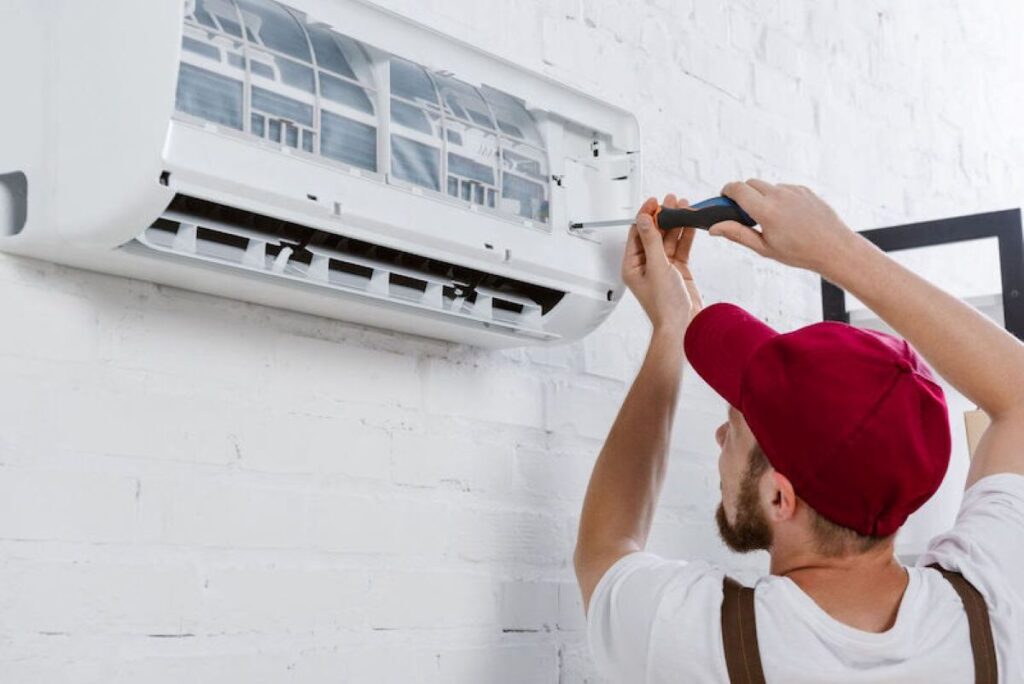
Personalised HVAC estimates Kellyville require professional site visits in most cases. Fitzgerald’s experienced technicians conduct thorough property assessments to identify factors that influence installation costs. They examine wall construction, roof space accessibility, optimal unit placement, and potential obstacles that could affect labour requirements.
During these assessments, the team evaluates:
- Electrical capacity and potential upgrade needs
- Ductwork requirements for ducted systems
- Outdoor unit placement options and restrictions
- Insulation quality affecting system sizing
- Structural considerations for mounting equipment
These on-site evaluations prevent unexpected costs during installation and ensure the quoted system will deliver optimal performance for your specific environment.
What Contact Methods Does Fitzgerald Offer for Quote Requests?
Fitzgerald Air Conditioning provides multiple channels for customers seeking quotes. Their Kellyville office accepts phone enquiries during business hours, allowing immediate discussion of your requirements with knowledgeable staff. Email submissions work well for customers who prefer written communication or need to share property photos and floor plans.
The consultation process typically begins with a brief phone conversation to understand your basic needs, followed by scheduling an on-site assessment. For straightforward residential installations, preliminary pricing estimates may be available after the initial discussion with final quotes provided thereafter.
In some instances, especially for properties that may have suffered damage or require extensive modifications, it may be necessary to conduct a detailed damage assessment to fully understand the scope of work required before providing an accurate quote.
See Also : Air Conditioning Maintenance Sydney: 4 Ways to Extend Your System’s Lifespan
Why Should You Choose Local HVAC Experts Like Fitzgerald Air Conditioning for Your 2024 Investment?
Local expertise delivers better outcomes than distant contractors. Fitzgerald Air Conditioning’s Kellyville base means they understand the Hills District’s unique climate patterns, building styles, and specific cooling requirements that affect system performance and longevity.
What Makes Local Providers the Smart Choice?
Choosing a local HVAC specialist offers tangible advantages that directly impact your investment. Response times for service calls, warranty work, and emergency repairs are significantly faster when your provider operates within the community rather than travelling from distant suburbs.
Fitzgerald’s local presence translates to accountability. Their reputation depends on satisfied Hills District customers, creating a natural incentive to deliver exceptional service. This community connection ensures they remain accessible long after installation, unlike larger companies that may prioritise new sales over existing client relationships.
How Does Local Knowledge Impact Pricing and Value?
Understanding regional factors helps local experts recommend appropriate solutions without overselling. Fitzgerald’s team recognises which systems perform best in Hills District conditions, preventing costly mistakes from unsuitable equipment choices.
Their established supplier relationships within the region often secure better pricing on quality brands. These savings are passed on to customers whilst maintaining the high standards expected from premium brands like Daikin, Mitsubishi, and LG. This combination creates the best value air conditioning Hills District 2024 residents can access.
What Personalised Service Can You Expect?
Generic quotes from national chains rarely account for your property’s specific requirements. Fitzgerald’s approach involves detailed consultations that consider:
- Your building’s orientation and sun exposure patterns
- Existing insulation quality and thermal performance
- Usage patterns and occupancy schedules
- Budget constraints and long-term efficiency goals
- Future expansion or modification plans
This personalised assessment ensures your system matches actual needs rather than standard package offerings.
Why Does Licensing and Insurance Matter?
Fully licensed and insured professionals protect your investment and property. Fitzgerald’s credentials guarantee compliance with Australian standards and building codes, preventing potential issues during insurance claims or property sales. Their 100% satisfaction guarantee adds another layer of security to your purchase decision.
Unlicensed installers may offer lower upfront costs but expose you to significant risks including voided manufacturer warranties.