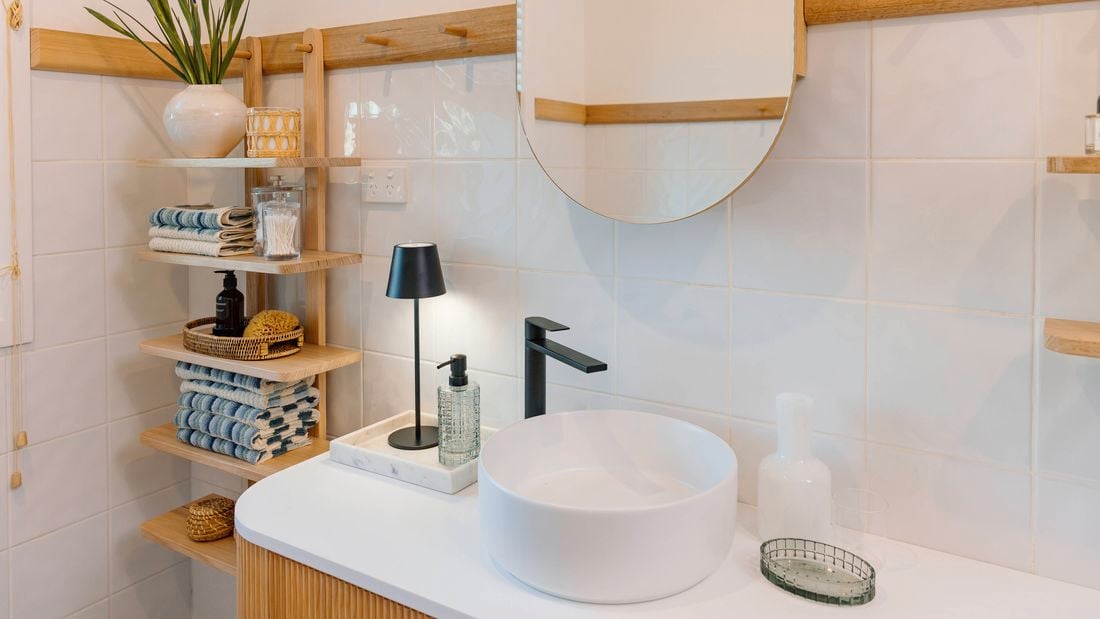
Still, they are made for automotive soils and surfaces, so they need careful selection, dilution, and spot testing before they touch tiles, grout, or bathroom fittings.
What are car dealership cleaners, in plain terms?
They are commercial-grade cleaning products used in dealerships, detail bays, and service centres to remove oily dirt quickly and at scale. Many car dealership cleaners are concentrated, meaning they are meant to be diluted to suit the task, which is part of why they feel so powerful compared to supermarket bathroom cleaners.
Common formats include alkaline degreasers, citrus solvents, foaming detergents, and specialised wheel and tyre cleaners.
Why would a bathroom renovator in Australia even consider using them?
They consider them because renovation mess is often part dust, part adhesive, and part greasy residue from hands, tools, and old exhaust-fan build-up. Some car dealership cleaners are very good at breaking down oily films on hard surfaces like ceramic tiles or concrete subfloors during demo and prep.
They are not a magic product for every bathroom job, but they can be useful when the problem is genuinely grease-heavy.
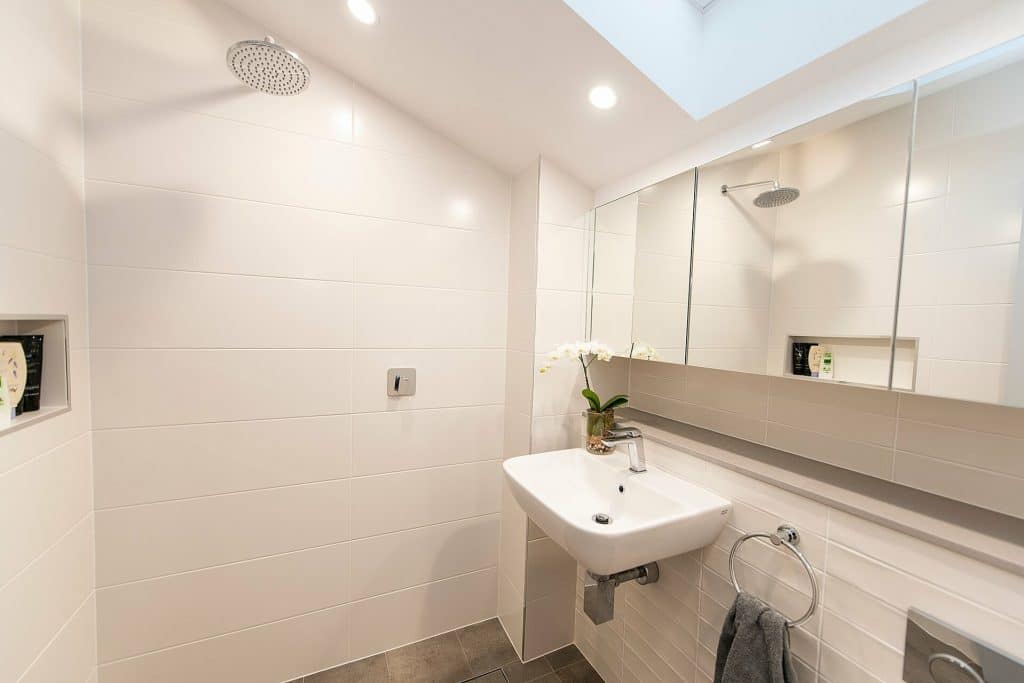
Which bathroom renovation problems can they actually help with?
They can help most with greasy residues that interfere with prep work, like oily grime around exhaust fans, old vanity kickboards, or workshop-like dirt tracked through the house. In some cases, car dealership cleaners can also assist with cleaning tools, removing oily handprints from glazed tile, or degreasing a concrete slab before certain primers.
They are not ideal for limescale, calcium staining, or rust, which usually need different chemistry.
Which types of car dealership cleaners are most relevant to bathroom surfaces?
The most relevant are general-purpose alkaline degreasers and mild citrus-based cleaners, used at conservative dilution rates. Those versions of car dealership cleaning products are aimed at oily grime rather than aggressive acid reactions, which makes them easier to control on bathroom materials. Homeowners can also refer to a bathroom cleaning maintenance guide to understand suitable products and safe cleaning practices for different surfaces.
Highly acidic wheel cleaners and strong solvents are usually the worst match for bathrooms because they can attack grout, stone, and metal finishes.
Are car dealership cleaners safe for tiles and grout?
Sometimes, but only with the right product, dilution, and dwell time. Many car dealership cleaners are alkaline, and strong alkalinity can lighten or weaken some grout, especially if it is older, cracked, or not sealed.
They should advise homeowners to spot test first, avoid letting product dry on the surface, and rinse thoroughly with clean water to prevent residue that attracts dirt later.
Can they be used on natural stone in bathrooms?
They generally should not be the first choice for stone such as marble, travertine, limestone, or terrazzo. Some car dealership cleaners can etch or dull stone, and wheel-type acids can cause visible damage fast.
If they have stone in an Australian bathroom renovation, they are usually better off using a stone-safe pH-neutral cleaner and leaving heavy degreasing to a product explicitly labelled for stone.
What about acrylic baths, fibreglass, and painted surfaces?
They should be cautious. Strong car dealership cleaners can haze acrylic, soften some paints, or leave dull patches on fibreglass gelcoat, especially if used too strong or left too long.
If they must try one, they should pick a gentler, water-based degreaser, dilute it heavily, keep contact time short, and rinse immediately. A non-scratch cloth matters as much as the chemical. Following a safe surface cleaning guide can also help them choose suitable products and avoid damage to sensitive bathroom materials.
Do car dealership cleaners remove silicone, adhesive, or old caulk?
Not reliably. Most car dealership cleaners are built to remove oils and traffic film, not cured silicone or construction adhesives.
If they need to remove silicone during a bathroom renovation, mechanical removal plus a dedicated silicone remover is usually the correct approach. For adhesive residues, a purpose-made adhesive remover is more predictable than using an automotive degreaser.
How should they use them during a bathroom renovation without damaging anything?
They should treat the process like controlled testing, not like general household spraying. If they are trying car dealership cleaners, a safe workflow is: ventilate well, wear gloves and eye protection, pre-wet the area, apply diluted product, agitate lightly, then rinse twice with clean water.
They should avoid mixing products, avoid letting it dry, and keep it away from drains if the label warns against it.
Are there Australian legal or safety points they should keep in mind?
Yes. They should read the SDS and label directions, which in Australia often outline PPE, first-aid steps, and disposal guidance. Some car dealership cleaners are classed as hazardous and can irritate skin, eyes, and lungs, particularly in small bathrooms with poor airflow.
They should also keep products away from children and pets and store concentrates securely during a renovation.
What are the biggest risks homeowners overlook?
The biggest risks are surface damage, fume irritation, and chemical incompatibility. A strong car dealership cleaners product can discolour grout, strip protective coatings, or pit cheap chrome plating on taps if it is too aggressive.
They also sometimes underestimate how fast products react in a warm, enclosed bathroom, especially when the exhaust fan is removed during renovation.
How do they know if a product is too strong for bathroom use?
They can look for warning signs in the label and SDS such as “corrosive,” very high or very low pH, or explicit notes to avoid aluminium, zinc, chrome, or painted surfaces. Many car dealership cleaners are meant for workshops with rinse bays, which is a clue the product expects heavy runoff and fast rinsing.
If it smells strongly solvent-like or stings eyes quickly, they should stop and reassess.
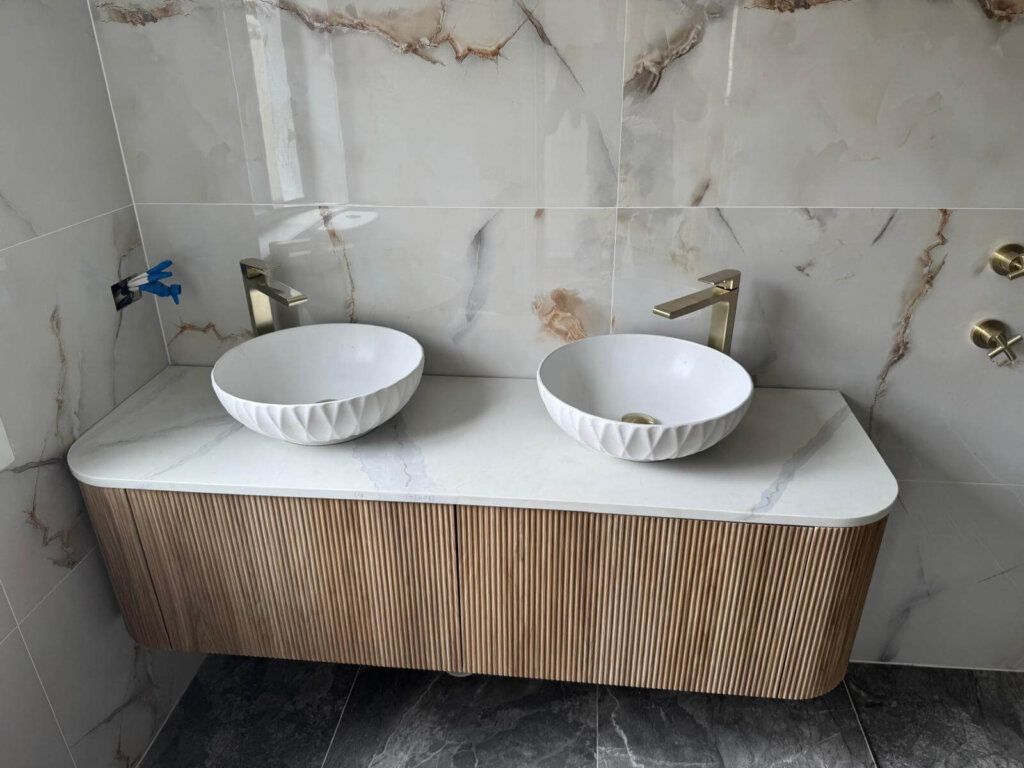
What should they use instead if they just want a safer bathroom-friendly option?
If the goal is bathroom-safe cleaning, they are usually better with a dedicated bathroom cleaner for soap scum, a mould cleaner used as directed, and a separate degreaser made for household hard surfaces. In Australia, many hardware stores stock heavy-duty household degreasers that are less risky than car dealership cleaners for indoor renovation use.
They can also use sugar soap for prep on painted areas, following label directions and rinsing well.
When does it make sense to call a professional instead?
It makes sense to call a professional when carpets are expensive, delicate, heavily stained, or affected by issues like mould and deep-set odours where DIY methods may not be enough. A professional carpet cleaner will choose suitable equipment, cleaning solutions, and techniques based on the carpet type rather than using unsuitable products designed for other purposes. Homeowners can also explore carpet cleaning maintenance tips to understand how regular care can extend carpet life and maintain better results between professional cleans.
They also reduce the chance of accidental etching, bleaching, or corrosion during a tight renovation schedule.
What is the quick takeaway for Australian bathroom renovators?
Car dealership cleaners are powerful automotive products that can help with greasy renovation grime, but they are not a universal bathroom solution. If they choose to try car dealership cleaners, they should pick the mildest suitable type, dilute conservatively, spot test, protect themselves, and rinse thoroughly.
Used carefully, they can be a helpful tool. Used casually, they can create costly surface damage that is hard to reverse.