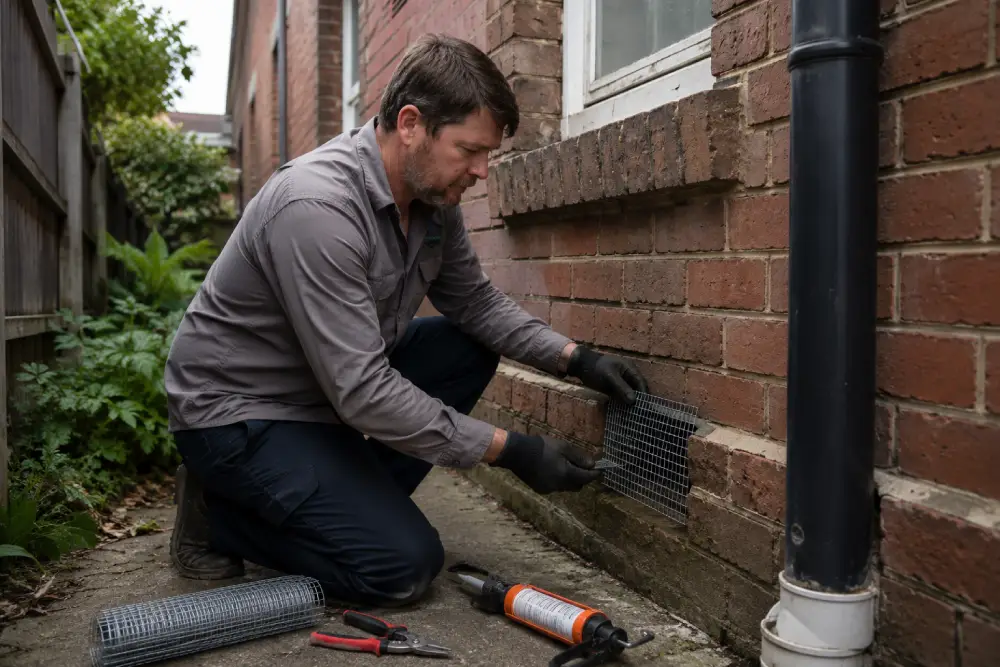
Older Sydney homes have a charm that newer builds struggle to match, but they also come with hidden risks. One of the biggest is termites, because many heritage and mid-century properties were built with timber-heavy designs and sit in environments termites love.
That is why termite control is often more urgent for older houses than owners realise. A small, quiet infestation can turn into major structural damage before anyone sees a single sign.
Why are older Sydney homes more vulnerable to termites?
Older homes are more vulnerable because they often contain more structural timber, older subfloors, and legacy add-ons that create concealed access points. Many were also built before modern moisture management and physical barriers were common.
In Sydney suburbs with established gardens and older drainage layouts, termites can find consistent moisture and cover. This combination increases the likelihood that termite control service becomes a priority sooner, not later.
What makes Sydney’s climate and suburbs a perfect match for termites?
Sydney’s humid summers, mild winters, and periodic heavy rainfall create ideal conditions for subterranean termites. When soil stays damp and gardens are well watered, termite activity can stay steady for long periods.
Many older suburbs also have dense vegetation, retaining walls, and shaded yards that keep the ground cool and moist. These conditions make proactive termite control a practical necessity for property owners across the region.
How do older building materials and designs increase termite risk?
Older properties commonly use timber framing, hardwood floors, and timber stumps or bearers that can be hard to fully inspect. Renovations over decades can also leave mixed materials and hidden voids where termites move unnoticed.
Older ventilation patterns matter too. If subfloor airflow is reduced by later landscaping or extensions, moisture rises and timber becomes more attractive, increasing the need for ongoing termite control.
Why do renovations and extensions sometimes make termite problems worse?
Renovations can accidentally bridge termite barriers or conceal earlier damage. When new decking, pergolas, or garden beds are installed against walls, they can create sheltered entry points.
Even well-meaning upgrades, like enclosing subfloors or changing drainage, can increase moisture. In older Sydney homes, this is how termite control issues can begin right after a renovation that otherwise looks flawless.
Where do termites usually enter older Sydney homes?
They commonly enter through concealed pathways such as cracks in slabs, plumbing penetrations, or through subfloor timber that is close to soil. Garden beds against external walls and timber-to-ground contact are frequent triggers.
In older homes with raised foundations, termites can also build mud leads on piers or inside brickwork cavities. These hidden routes are why termite control should not rely on visual checks alone.
What are the early warning signs owners often miss?
Early signs are often subtle: sticking doors, minor floor buckling, fine mud residue near piers, or soft-sounding timber. Termites can also hollow timber from the inside, so surfaces may look normal until damage is advanced.
Older homes already have quirks, so owners may dismiss changes as “age”. That is how termite control is delayed until repairs become far more disruptive.
How much damage can termites cause before anyone notices?
Termites can cause significant structural damage while remaining hidden in wall cavities, subfloors, and roof timbers. By the time skirting boards crumble or floors feel spongy, the infestation may have been active for months or even years.
For older Sydney homes, repairs can be complex because matching materials and maintaining original structure may be harder. Effective termite control reduces the chance of reaching that stage.

Why is termite damage especially costly in heritage and older-style homes?
Heritage and character homes often use specialist timbers, custom profiles, and older construction methods that are expensive to restore. Repairs may also require extra care to preserve features like floorboards, architraves, and decorative trims.
If structural timbers are affected, the scope can expand quickly. This is where consistent termite control is less about convenience and more about protecting long-term property value.
What role does moisture play in termite activity around older homes?
Moisture is one of the strongest drivers of termite activity, particularly for subterranean termites common across Sydney. Leaking pipes, poor stormwater flow, and damp subfloors can create ideal conditions without any obvious surface pooling.
Older homes may have aging plumbing, older grout lines, and less effective drainage falls. Fixing moisture sources alongside termite control is often what stops repeat activity.
How often should older Sydney homes be inspected for termites?
They are typically best inspected at least annually, and sometimes more often if the property has prior termite history, high moisture issues, or heavy timber landscaping. Inspections help identify risk conditions before termites are confirmed.
For older homes, consistency matters because access points and moisture patterns change over time. Regular inspections make termite control proactive rather than reactive.
Other Resources : Home building safety and standards
What termite control options suit older Sydney homes best?
The best option depends on the home’s construction, access, and risk profile. Common approaches include baiting systems, chemical soil treatments, and targeted dusting or foam applications when activity is found.
Older homes often benefit from a tailored plan that combines treatment with risk reduction, such as improving subfloor ventilation and removing timber-to-soil contact. Done properly, termite control becomes an ongoing system, not a one-off visit.
Why do DIY treatments usually fall short in older properties?
DIY products can help in limited situations, but they rarely address the full colony or the hidden entry points typical in older homes. Without locating moisture sources and access routes, treatment may only shift activity elsewhere.
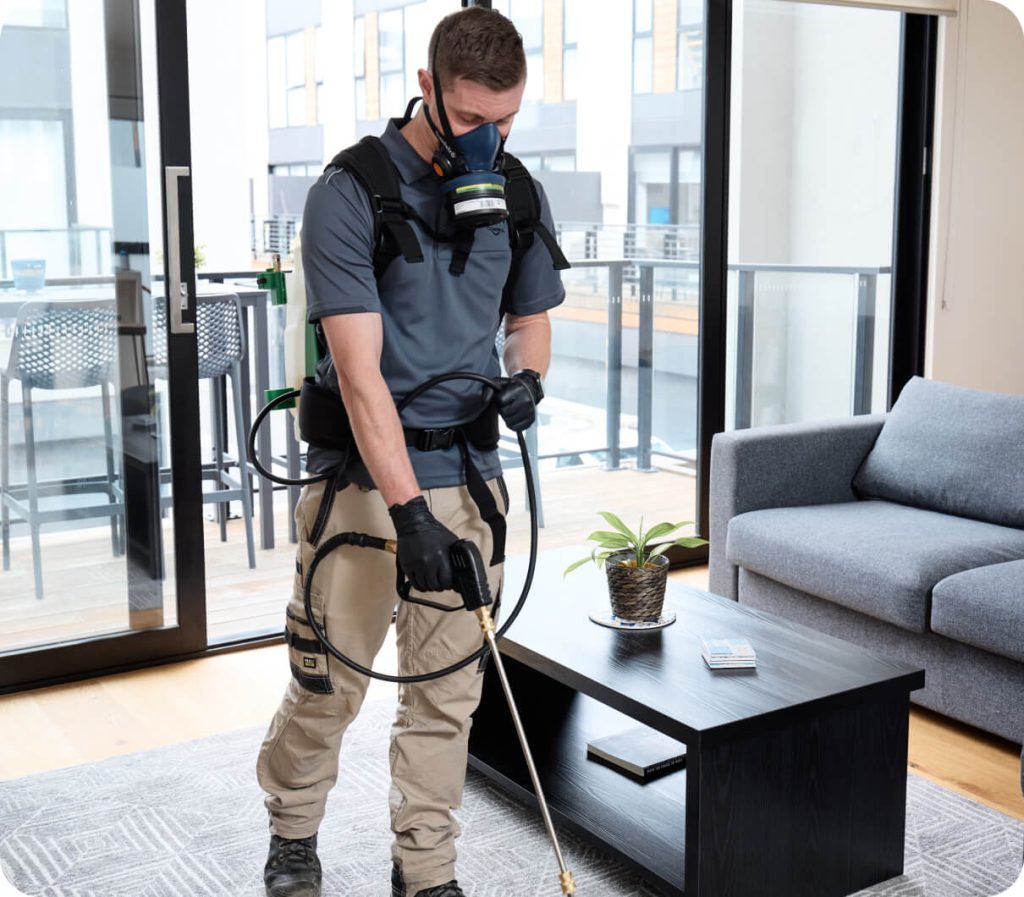
Older homes also have more concealed spaces and complex subfloors that require experience to assess safely. Professional termite control is usually the difference between short-term relief and real prevention.
How can owners reduce termite risk without changing the character of the home?
They can reduce risk by managing moisture and reducing timber contact without altering the home’s look. Simple steps include keeping weep holes clear, ensuring subfloor vents stay open, and directing stormwater away from foundations.
They can also avoid storing timber, cardboard, or sleepers against the house. These changes support termite control while keeping the original style and street appeal intact.
What should owners ask a termite professional before approving treatment?
They should ask what termite species is suspected, what evidence supports that, and what treatment is recommended for that specific building style. They should also ask about monitoring intervals, warranty terms, and what preparation is needed.
For older Sydney homes, it is also worth asking how the plan manages moisture and access points over time. Clear answers make termite control decisions easier and more confident.
Why does acting early matter more than finding the cheapest fix?
Acting early usually limits damage, reduces the scope of repairs, and improves the odds of eliminating the colony before it spreads. Waiting for obvious signs can turn a manageable issue into major building work.
In older Sydney homes, delays can also affect resale, insurance discussions, and renovation plans. Early termite control is often the lowest-cost outcome in the long run.
What is the simplest takeaway for owners of older Sydney homes?
They should treat termites as a realistic, ongoing risk rather than a rare event. Older construction, moisture patterns, and hidden access points make vigilance essential.
With routine inspections, moisture control, and a tailored plan, termite control protects the home’s structure and preserves what makes older Sydney properties worth owning.
More to Read : Does Rat Removal Sydney Require More Than One Visit?