Sydney’s climate demands reliable air conditioning—scorching summers with temperatures regularly exceeding 30°C and humidity levels that make indoor comfort essential. Your AC system works overtime in these conditions, Air Conditioning Maintenance Sydney residents prioritise is not a luxury—it’s a necessity for long-term system performance and reliability.
Without proper care, air conditioning units experience accelerated wear due to Sydney’s temperature extremes, coastal salt exposure, and seasonal humidity changes. Systems that receive little or no maintenance often fail prematurely, leaving homes and businesses without cooling during peak summer months. The cost goes beyond early replacement, as poorly maintained units consume more energy, drive up electricity bills, and deliver reduced comfort.
To maximise system lifespan, property owners need a strategic approach to Air Conditioning Maintenance Sydney. This guide highlights four proven methods to protect your investment:
- Regular professional servicing aligned with Sydney’s seasonal climate demands
- Early detection and repair of minor issues before they escalate into major failures
- Correct installation and accurate system sizing from the start
- Simple user-performed maintenance tasks, such as those outlined in a standard AC preventive maintenance checklist
When combined, these practices help air conditioning systems operate efficiently for 15–25 years. Each method addresses climate-specific challenges common in Sydney, from filter blockages caused by dust and pollen to compressor strain during extended heatwaves. By committing to consistent Air Conditioning Maintenance Sydney, you reduce breakdowns, lower energy consumption, and maintain healthy indoor air quality throughout the life of your system.
Why Is Regular Servicing Essential for Air Conditioning Systems in Sydney?
Regular AC servicing Sydney schedules form the foundation of system longevity. Professional aircon service twice yearly—ideally during autumn before summer’s peak demand and spring before winter heating needs—keeps your unit operating at optimal capacity.
What Happens During Professional Aircon Service?
Biannual AC maintenance involves comprehensive checks that go far beyond surface-level cleaning. Trained technicians perform systematic inspections that identify potential failures before they escalate into costly repairs.
Professional servicing includes:
- Filter cleaning or replacement – Removes accumulated dust, pollen, and debris that restrict airflow
- Coil inspection and cleaning – Ensures heat exchange surfaces remain free from buildup that reduces efficiency
- Refrigerant level verification – Confirms optimal cooling capacity without leaks or undercharging
- Lubrication of moving components – Reduces friction on motors, fans, and bearings to prevent premature wear
- Ductwork inspection – Identifies leaks, blockages, or damage affecting air distribution
How Does Servicing Prevent Breakdowns?
Sydney’s climate places extraordinary demands on air conditioning systems. Summer temperatures regularly exceed 30°C, forcing units to run continuously for extended periods. Without regular AC servicing Sydney residents schedule, components deteriorate faster under this constant strain.
Dirty coils force compressors to work harder, generating excessive heat that shortens their operational life. Clogged filters reduce airflow, causing evaporator coils to freeze and potentially damaging the entire refrigeration cycle. Low refrigerant levels from undetected leaks make systems run longer to achieve desired temperatures, accelerating wear on electrical components.
The Efficiency Connection
Serviced systems consume 15-20% less energy than neglected units performing the same cooling tasks. Clean filters allow unrestricted airflow, reducing the energy required to circulate conditioned air throughout your space. Properly charged refrigerant systems reach target temperatures faster, minimising compressor runtime.
Professional technicians calibrate thermostats during biannual AC maintenance visits, ensuring accurate temperature readings that prevent unnecessary cycling. They tighten electrical connections that may have loosened through vibration, reducing energy wastage.
By investing in regular servicing for your air conditioning system in Sydney, you not only extend its lifespan but also improve its energy efficiency. This means lower utility bills and a reduced carbon footprint—an environmentally friendly choice for both your wallet and the planet.
How Do Timely Repairs and Issue Resolution Help Prolong AC System Life?
Addressing AC repairs Sydney residents require at the first sign of trouble prevents minor issues from escalating into major system failures. Quick intervention stops small problems from damaging interconnected components, which can reduce your air conditioner’s lifespan by years.
Recognising Warning Signs Before They Become Costly Problems
Your air conditioning system communicates distress through specific symptoms that demand immediate attention:
- Weak airflow indicates blocked ducts, failing fans, or compressor issues that force the system to work harder
- Unusual noises such as grinding, squealing, or banging signal loose parts, worn bearings, or debris in the unit
- Water leaks around the indoor unit suggest blocked condensate drains or frozen evaporator coils
- Refrigerant leaks appear as ice buildup on copper lines or hissing sounds near connections
- Musty odours point to mould growth in ductwork or on wet coils
- Burnt smells warn of electrical problems or overheating components
These common aircon problems rarely resolve themselves. Each symptom represents a specific mechanical or electrical fault requiring professional diagnosis.
The Cascading Effect of Delayed Repairs
Ignoring early warning signs creates a domino effect throughout your system. A dirty filter restricts airflow, causing the evaporator coil to freeze. The frozen coil forces the compressor to run continuously, overheating and potentially burning out this expensive component. What begins as a £20 filter replacement escalates into a £2,000 compressor failure.
Energy consumption spikes when components malfunction. A refrigerant leak reduces cooling capacity by 20% whilst increasing electricity usage by up to 30%. The system runs longer cycles to achieve desired temperatures, accelerating wear on all moving parts.
The Financial Logic of Prompt Professional Intervention
Timely maintenance benefits extend far beyond avoiding emergency breakdowns. Professional technicians identify developing issues during routine inspections, allowing scheduled repairs rather than crisis responses. A worn fan belt replaced during a service call costs significantly less than the same repair performed as an emergency callout.
Early intervention preserves warranty coverage. Most manufacturers void warranties when systems operate with known defects.
Moreover, it’s crucial to remember that certain conditions can exacerbate existing issues. For instance, if you live in an area prone to freezing temperatures, like Lansdale PA, it’s essential to understand how these conditions can affect your heat pump’s performance. This guide on avoiding heat pump freezing provides valuable insights into maintaining your system during colder months.
What Role Does Proper Installation and System Sizing Play in System Longevity?
Air conditioning installation Sydney decisions made at the outset determine whether your system will operate efficiently for decades or struggle from day one. Correct system sizing and strategic placement form the foundation of long-term performance, preventing mechanical stress that shortens equipment life.
The Hidden Costs of Incorrect System Sizing
An oversized air conditioning unit cycles on and off repeatedly—a phenomenon called short-cycling that places enormous strain on the compressor. Each startup draws maximum power and generates mechanical stress, wearing down components far faster than continuous operation. The system cools the space too quickly without adequate dehumidification, creating uncomfortable humidity levels whilst consuming excessive energy.
Undersized systems face the opposite problem: they run continuously without achieving desired temperatures. The compressor never rests, motors overheat, and components deteriorate rapidly under constant demand. Sydney’s summer heat intensifies this issue, forcing inadequate systems to operate at maximum capacity for extended periods.
Correct system sizing requires professional load calculations accounting for:
- Room dimensions and ceiling heights
- Window sizes, orientations, and glazing types
- Insulation quality and building materials
- Occupancy patterns and heat-generating appliances
- Sydney’s specific climate characteristics
Strategic Outdoor Unit Placement
The outdoor condenser unit’s location directly impacts compressor lifespan and energy efficiency. Units positioned in direct sunlight work significantly harder to dissipate heat, forcing the compressor to run longer cycles and consume more electricity. Sydney’s intense UV exposure accelerates component degradation, fading protective coatings and weakening plastic housings.
Optimal outdoor unit placement considerations include:
- Shaded locations: North-facing walls with natural shade or purpose-built covers reduce heat absorption
- Adequate clearance: Minimum 500mm spacing around all sides ensures proper airflow and heat exchange
- Elevated positioning: Raised platforms prevent flood damage and improve drainage
- Protected areas: Locations sheltered from harsh weather whilst maintaining ventilation
Avoid placing units near heat-reflective surfaces like light-coloured walls or metal fencing, which amplify ambient temperatures. Ground-level installations should sit on stable, vibration-dampening pads that prevent mechanical stress transfer.
What Routine Maintenance Tasks Can Users Perform to Enhance Efficiency?
Homeowners can maintain their air conditioning systems between professional services through simple yet effective tasks. Regular filter cleaning or replacement every three months stands as the most critical DIY task, directly impacting airflow quality and preventing the evaporator coils from freezing due to restricted air circulation.
These tips empower users to spot potential problems early. Dirty filters force the system to work harder, increasing energy consumption by up to 15% and placing unnecessary strain on components. The frequency of filter cleaning should increase during peak usage months or in homes with pets, smokers, or allergy sufferers—potentially requiring monthly attention rather than quarterly.
Essential User-Performed Maintenance Tasks
- Filter inspection and cleaning: Remove filters monthly to check for dust accumulation, washing reusable filters with mild soap and water, allowing complete drying before reinstallation
- Visual checks around the unit: Look for water pooling near indoor units, ice formation on refrigerant lines, or unusual condensation patterns
- Outdoor unit clearance: Keep the area around external units free from leaves, debris, and vegetation within a 60cm radius
- Vent and register cleaning: Vacuum supply and return vents to prevent dust recirculation throughout the home
Annual professional filter cleaning delivers benefits beyond what household maintenance achieves. Technicians use specialised equipment to deep-clean filters and internal components, removing microscopic particles and biological contaminants that regular washing cannot eliminate. This professional intervention restores optimal airflow capacity and extends filter lifespan by several years.
Checking for refrigerant leaks requires attention to specific warning signs. Hissing sounds near refrigerant lines, ice buildup on copper pipes, or a noticeable decline in cooling performance all indicate potential leaks. Users should inspect visible refrigerant lines for oil residue or frost accumulation, though actual leak detection and repair must be handled by licensed technicians due to environmental regulations and safety requirements.
Monthly Performance Monitoring
Simple performance checks help identify developing issues:
- Temperature differential testing: Measure the temperature difference between supply and return air (should be 7-12°C)
- Listening for abnormal sounds: Grinding, squeaking or rattling noises may indicate mechanical problems
- Assessing airflow consistency: Check if all rooms receive equal airflow; discrepancies may point towards ductwork issues
By incorporating these routine maintenance tasks into their schedule, homeowners can significantly enhance the efficiency of their air conditioning systems while also prolonging their lifespan.
How Can Programmable Thermostats and Customised Plans Support System Longevity?
Programmable thermostats Sydney residents install can dramatically reduce system wear by automatically adjusting temperatures when spaces are unoccupied. These devices prevent your air conditioner from running at full capacity during off-hours, which decreases the strain on compressors and other critical components.
Automated Temperature Control Benefits
Smart temperature regulation means your system operates only when needed. During work hours or overnight when cooling demands change, programmable settings prevent unnecessary cycling that accelerates component degradation. This automated approach can reduce operational hours by 20-30% annually whilst maintaining comfort levels.
Key advantages include:
- Reduced compressor runtime during peak heat periods
- Minimized energy consumption during cooler evening hours
- Prevention of temperature fluctuations that stress system components
- Extended intervals between major repairs
Climate-Specific Maintenance Scheduling
Sydney’s subtropical climate presents unique challenges that generic maintenance plans cannot address. Customised AC maintenance plans account for the city’s high humidity levels during summer months and temperature swings between seasons, which place distinct demands on cooling systems.
Professional technicians develop tailored schedules that prioritise:
- Pre-summer inspections before humidity peaks in December-February
- Post-heatwave assessments following extreme temperature events
- Increased filter replacement frequency during high-pollen spring months
- Condensate drain monitoring during humid periods to prevent blockages
Adaptive Maintenance Strategies
Systems operating in coastal Sydney suburbs face salt air exposure, whilst western suburbs endure more extreme temperature variations. A customised plan addresses these location-specific factors by adjusting service intervals and focusing on components most vulnerable to local environmental conditions.
Temperature extremes above 35°C place exceptional stress on refrigerant systems and electrical components. Scheduled maintenance before and after Sydney’s hottest months ensures these elements receive targeted attention when they need it most, preventing premature failure and maintaining optimal refrigerant pressures. Check out more about the definitive guide to air conditioning Hills District pricing.
Why Should Residents and Businesses Choose Professional Technicians for Maintenance?
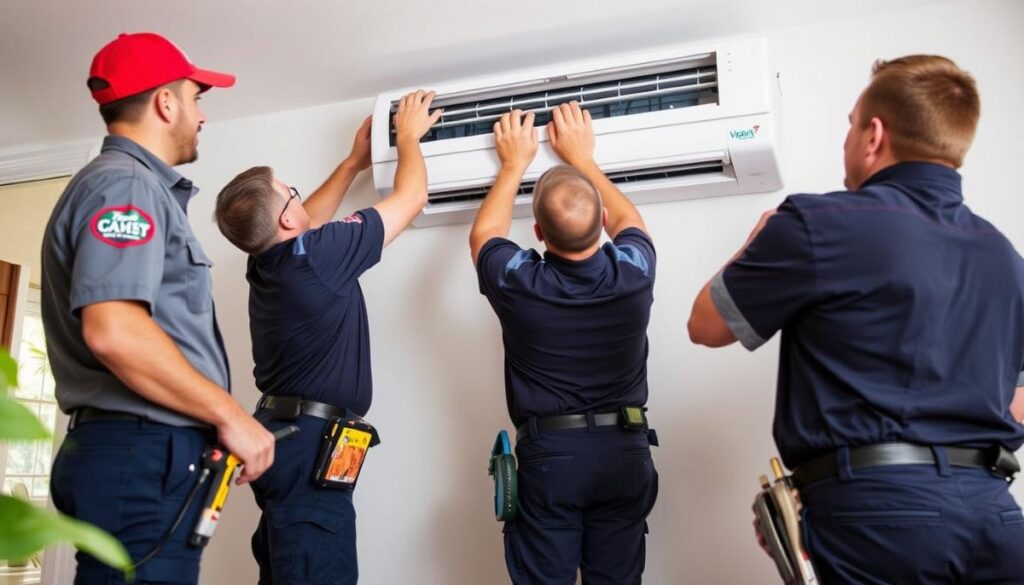
Professional HVAC technicians in Sydney have specialised knowledge that goes far beyond basic troubleshooting. Licensed technicians have extensive training in electrical systems, refrigerant handling, and safety protocols that protect both your property and the people inside it. Their diagnostic equipment can identify hidden problems like refrigerant leaks, electrical faults, or failing components before they turn into costly repairs or complete system breakdowns.
Advanced Diagnostic Capabilities
Professional technicians use calibrated instruments to measure refrigerant pressures, electrical current draw, and airflow volumes accurately. These measurements reveal inefficiencies that remain hidden during casual inspections. A qualified technician can detect a compressor drawing excessive amperage weeks before it fails, allowing for planned replacement instead of emergency service during Sydney’s hot summer days.
The benefits of expert air conditioning service also include safety compliance. Air conditioning systems involve high-voltage electricity, pressurised refrigerants, and complex mechanical components. Professionals understand Australian standards and regulations, ensuring your system operates legally while protecting occupants from potential dangers like electrical fires or refrigerant exposure. You may like to visit https://www.schoolinfrastructure.nsw.gov.au/what-we-do/we-look-after-our-schools/air-conditioning.html to get more about air conditioning.
Performance Optimisation Through Skilled Servicing
Trained technicians don’t just clean filters and check refrigerant levels—they fine-tune your system for maximum efficiency. This includes:
- Calibrating thermostat sensors to ensure accurate temperature readings and prevent unnecessary cycling
- Adjusting airflow balance across different areas to eliminate hot spots and reduce strain on the compressor
- Optimising refrigerant charge to manufacturer specifications, which directly impacts cooling capacity and energy consumption
- Cleaning condenser and evaporator coils using professional-grade solutions that remove stubborn buildup without damaging delicate fins
A properly optimised system can reduce energy consumption by 15-20% compared to a neglected unit, resulting in significant savings on electricity bills while reducing wear on components.
Extending Operational Life Beyond Standard Expectations
The difference between a system lasting 15 years versus 25 years often comes down to the quality of professional maintenance. Expert technicians identify wear patterns early on, recommending strategic component replacements before major failures happen. Catching a worn fan motor bearing early can save you a lot of money compared to replacing an entire motor.
Conclusion
Sydney’s demanding climate makes air conditioning maintenance essential for property owners seeking reliable, long-lasting HVAC systems. The four strategies outlined—regular professional servicing, timely repairs, proper installation, and routine user maintenance—work together to extend air conditioning lifespan Sydney residents can depend on for 15-25 years.
Taking action today prevents expensive emergency repairs tomorrow. Simple habits like quarterly filter changes combined with biannual professional inspections create a protective barrier against premature system failure. Each maintenance task compounds over time, transforming average equipment into long-lasting HVAC systems that deliver consistent comfort.
Sydney homeowners and business operators who commit to these practices see measurable returns:
- Lower monthly energy bills through optimised efficiency
- Fewer unexpected breakdowns during peak summer heat
- Improved indoor air quality for healthier living spaces
- Extended equipment lifespan that delays costly replacements
The investment in Air Conditioning Maintenance Sydney: 4 Ways to Extend Your System’s Lifespan pays dividends through reduced operational costs and uninterrupted cooling when you need it most. Partner with qualified technicians who understand Sydney’s unique climate challenges, and establish a maintenance schedule tailored to your system’s specific requirements.
Your air conditioning system works hard to keep you comfortable—return the favour with consistent, proactive care. Book your next service appointment before the season shifts, and experience the peace of mind that comes with a well-maintained cooling system built to last.