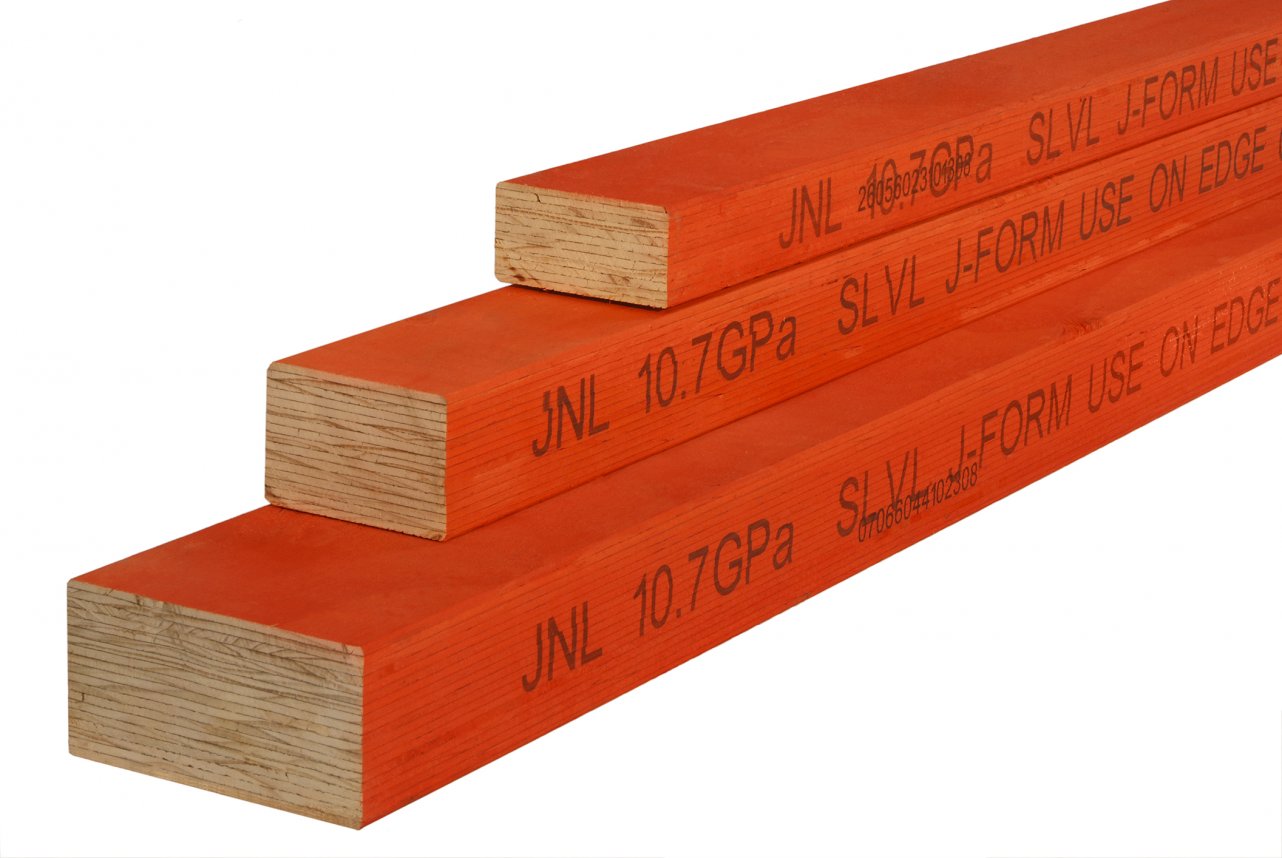
What does “cost per metre” actually mean for LVL formwork?
It usually refers to the supply rate per linear metre of scaffold netting, typically quoted by roll length or per square metre, and sometimes excluding fixings and installation. Some suppliers quote per roll, per metre, or per square metre, so a “per metre” comparison can be misleading unless the mesh grade, width, and GSM (grams per square metre) are identical.
They should confirm the exact dimensions, material strength, UV rating, colour, and whether the price includes edge reinforcement, eyelets, and delivery.
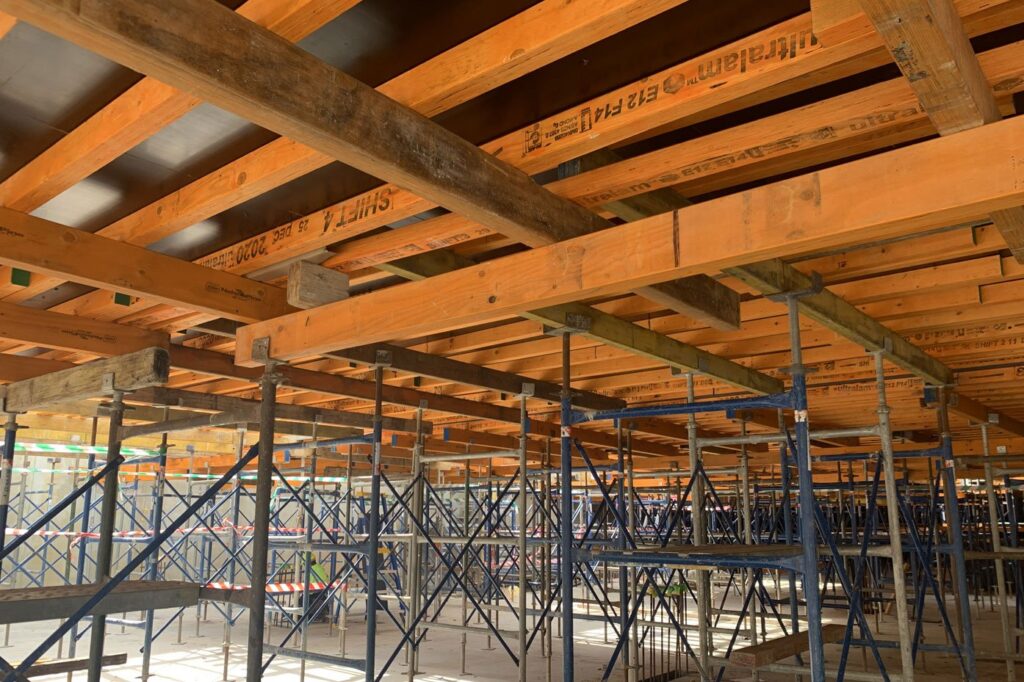
How do LVL dimensions and section sizes change the price per metre?
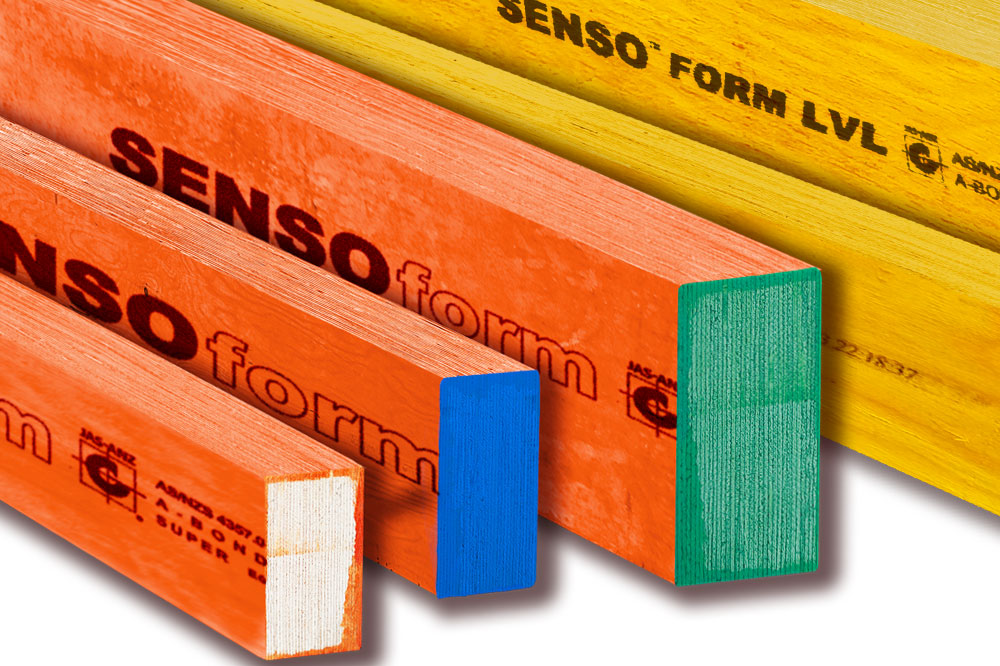
Bigger sections cost more per metre because they use more timber and often require tighter manufacturing tolerances. A deeper or thicker LVL member can also reduce spacing and deflection on site, which may lower overall material quantities even if the per-metre rate is higher.
They should compare quotes using the same depth, width, and span assumptions, not just the headline metre rate.
How much does LVL grade and structural rating affect cost?
Higher grades generally cost more because they deliver higher stiffness and strength. For formwork, that can mean longer spans, fewer props, and better control of deflection, but only if the design actually uses those benefits.
If they are paying for a premium grade but the layout is conservative, the “extra performance” may not translate into savings.
Why does surface treatment and coating matter for pricing?
Coated, sealed, or protected LVL often costs more per metre because it is built to survive wet cycles, concrete splash, and repeated handling. Treatments can reduce swelling, edge damage, and delamination risk, which improves reuse and lowers replacement rates.
They should ask what protection is applied, whether edges are sealed, and what the supplier recommends for resealing after cuts.
Does moisture exposure and site weather change what they should buy?
Yes. Wet, coastal, or high-humidity sites tend to punish unprotected timber faster, which can raise total costs through waste and reorders. Paying more for a more durable LVL option can be cheaper overall if it avoids downtime and premature disposal.
They should match the product to the site conditions rather than choosing the cheapest per-metre line item.
How do reuse cycles and expected lifespan influence the real cost per metre?
A cheaper LVL member can be expensive if it only survives a few pours. A higher-priced option can win on cost per use if it lasts longer, stays straighter, and needs fewer repairs.
They should evaluate “cost per pour” instead of “cost per metre,” especially on projects with repetitive decks, walls, or columns.
What role do project volume and ordering method play in the rate?
Larger orders often unlock better rates per metre due to pack pricing, fewer handling steps, and more efficient freight. Small, fragmented purchases typically cost more because suppliers must break packs, process more invoices, and schedule multiple dispatches.
They can often reduce pricing by consolidating lengths, ordering full packs, and planning delivery windows early.
How do cutting, machining, and prefabrication add to per-metre cost?
Cut-to-length services, end sealing, drilling, notching, and pre-assembly all add labour and waste allowances. Those services can still be cost-effective if they reduce on-site labour, speed up cycles, and improve accuracy.
They should ask whether the quote assumes standard stock lengths or includes processing, and whether offcuts are credited or charged as waste.
Why do freight, access, and delivery timing change LVL formwork prices?
LVL is bulky, and transport can be a major cost driver, especially for long lengths. Tight access, crane offload requirements, after-hours delivery, or staged drops can add fees that are not obvious in a simple per-metre comparison.
They should request a separated freight line item and confirm if unloading is included or charged as an extra.
Do props, bearers, and accessories affect the “per metre” comparison?
Yes, because LVL rarely works alone. Ties, clamps, bolts, plates, props, and plywood facing can outweigh LVL costs on some builds, and different LVL choices can change how many accessories are needed.
They should compare complete systems, not isolated LVL metre rates, and check that quotes include the same assumptions for spacing and support.
How does formwork design and engineering affect LVL quantities and cost?
Engineering decisions drive spacing, member sizing, and how much LVL is required. A design that reduces deflection and rework can lower labour costs, even if the LVL line item increases.
They should confirm the concrete pressure assumptions, pour rate, and spans used in the design so the material choice is aligned with actual site needs.
What should they ask suppliers to make quotes comparable?
They should ask for the LVL section size, grade, stock length, coating or treatment details, and whether cutting and sealing are included. They should also confirm pack quantities, lead times, freight terms, unloading requirements, and replacement policy for damage.
Most importantly, they should ask for the assumptions behind the layout so “per metre” pricing reflects the same design basis across all quotes.
FAQs (Frequently Asked Questions)
What does ‘cost per metre’ mean in LVL timber formwork pricing?
‘Cost per metre’ typically refers to the supply rate per linear metre of LVL members such as bearers, joists, walers, and studs. It often excludes accessories and labour. Since some suppliers quote per piece, pack, or square metre of facing, comparing ‘per metre’ rates can be misleading unless section sizes and lengths are identical. It’s important to confirm exact dimensions, grade, and whether prices include cutting, sealing, and delivery.
How do LVL dimensions and section sizes impact the price per metre?
Larger LVL sections cost more per metre because they use more timber and require tighter manufacturing tolerances. Deeper or thicker members can reduce spacing and deflection on site, potentially lowering overall material quantities despite a higher per-metre rate. Comparing quotes should involve matching depth, width, and span assumptions rather than just headline metre rates.
Why is LVL grade and structural rating important for formwork cost?
Higher LVL grades generally cost more due to increased stiffness and strength. This can enable longer spans, fewer props, and better deflection control in formwork designs. However, if the project layout is conservative and doesn’t utilize these benefits, paying for premium grades may not result in actual savings. Learn more to get more about LVL formwork timber: load ratings and compliance explained.
How do surface treatments and coatings affect LVL formwork pricing?
Coated or sealed LVL tends to cost more per metre because it’s designed to withstand wet cycles, concrete splash, and repeated handling. Such treatments reduce swelling, edge damage, and delamination risks, enhancing reuse potential and lowering replacement rates. It’s advisable to inquire about protection types applied, edge sealing, and supplier recommendations for resealing after cuts.
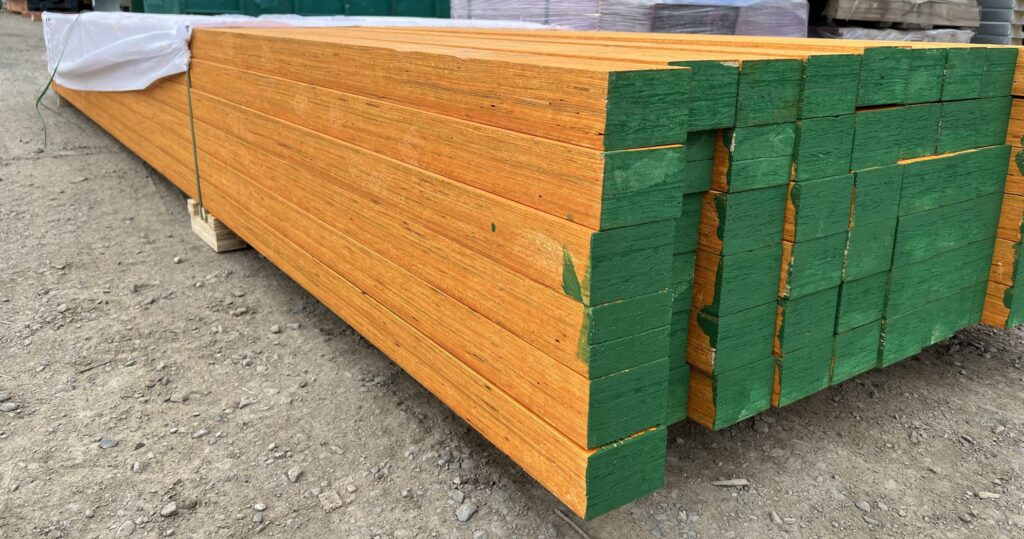
What role do reuse cycles and expected lifespan play in determining the real cost per metre?
A lower-priced LVL member might be costly over time if it only endures a few pours before needing replacement. Conversely, higher-priced options that last longer, maintain straightness, and require fewer repairs can offer better value when considering ‘cost per pour.’ Evaluating durability is especially crucial for projects involving repetitive decks, walls, or columns.
How do project volume and ordering methods influence LVL formwork rates?
Ordering larger volumes often secures better rates per metre due to pack pricing efficiencies, reduced handling steps, and more streamlined freight. Small or fragmented orders tend to be pricier because suppliers must break packs and process multiple invoices. Consolidating lengths, ordering full packs, and planning delivery windows early can help reduce overall costs.