Category: Subway Tiles

  • Subway Tiles in Modern Interiors: Combining Tradition with Innovation

    Subway Tiles in Modern Interiors: Combining Tradition with Innovation

    Introduction

    Few design elements manage to feel both classic and contemporary quite like subway tiles. Originally developed for practical use, they’ve since evolved into a design icon, adored by homeowners and interior designers worldwide. With their clean lines, versatility, and ability to complement almost any décor, subway tiles embody the perfect marriage of tradition and innovation.

    History and Origins of Subway Tiles

    Subway tiles first appeared in 1904 when architects George C. Heins and Christopher Grant La Farge introduced them in the New York City subway system. The 3×6-inch white ceramic tiles were chosen for their hygienic qualities, durability, and ability to reflect light in dim underground tunnels. Their clean look and practicality quickly captured attention, and it wasn’t long before subway tiles found their way into kitchens, bathrooms, and commercial spaces around the globe.

    Why Subway Tiles Are Timeless

    The reason subway tiles have never gone out of style lies in their adaptability. Their rectangular shape provides a balanced, symmetrical design that complements both traditional and modern spaces. Unlike more decorative tiles that come in and out of fashion, subway tiles offer a sense of permanence. Whether you’re going for minimalist chic, farmhouse coziness, or industrial flair, subway tiles seamlessly adapt, making them a timeless choice.

    Different Types of Subway Tiles

    While the classic 3×6 white ceramic tile remains a favorite, today’s subway tiles come in countless variations:

    • Ceramic Subway Tiles: Affordable, durable, and widely available in different colors.
    • Glass Subway Tiles: Offer a sleek, reflective finish, ideal for modern kitchens and bathrooms.
    • Marble Subway Tiles: Luxurious and elegant, often used for upscale spaces.
    • Porcelain Subway Tiles: Known for their durability and water resistance, perfect for high-traffic areas.

    Finishes vary from glossy for a polished look, matte for understated elegance, or textured for added depth. Sizes have also evolved—while the standard 3×6 remains iconic, larger options like 4×12 or even elongated formats bring a more contemporary feel.

    Creative Ways to Use Subway Tiles

    Subway tiles are no longer limited to kitchen backsplashes or bathroom walls. Here are innovative ways to incorporate them:

    
 Subway Tiles
    • Vertical Layouts: Install tiles vertically for a modern twist that makes walls look taller.
    • Herringbone Pattern: Adds movement and sophistication to a backsplash or feature wall.
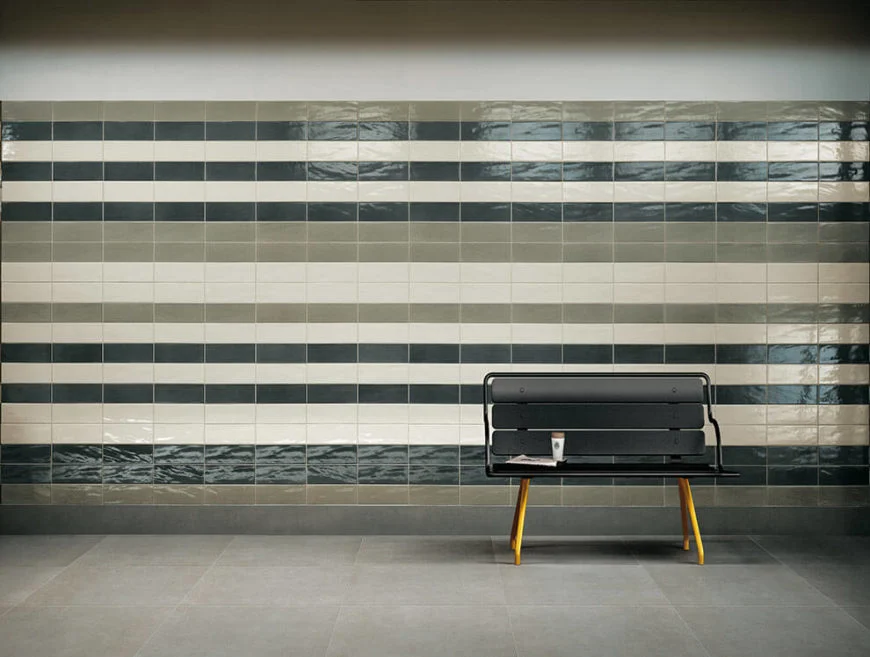
    • Two-Tone Designs: Combine contrasting colors, such as white and navy, for bold visual interest.
    • Accent Walls: Use subway tiles to create an eye-catching focal point in living rooms or entryways.
    • Fireplace Surrounds: A fresh, clean way to highlight your fireplace with timeless appeal.

    How to Choose the Right Subway Tiles for Your Space

    When selecting subway tiles, think about the atmosphere you want to create:

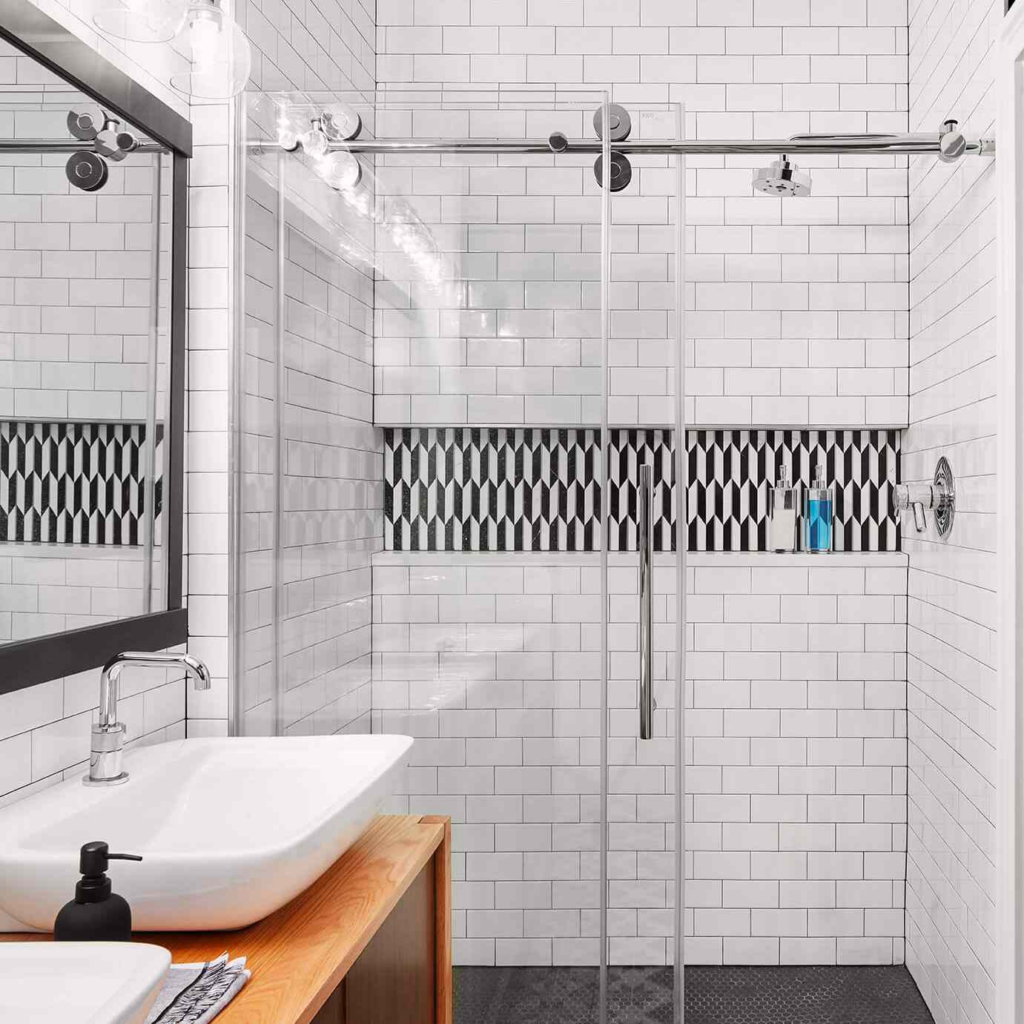
    • Color: White tiles with white grout give a seamless, airy look, while darker grout adds contrast. For a bolder statement, choose colored subway tiles like emerald green, blush pink, or black.
    • Finish: Glossy finishes brighten rooms by reflecting light, while matte finishes add sophistication.
    • Size: Standard tiles are classic, but larger or smaller tiles can adjust the visual scale of a space.
    • Grout Choice: Neutral grout blends in, while contrasting grout highlights the grid pattern for a graphic effect.

    Subway Tiles in Modern Interior Design

    In contemporary design, subway tiles often serve as a grounding element, blending tradition with innovation. Designers experiment with unconventional patterns, bold colors, or metallic finishes to make subway tiles feel fresh. For example:

    • Pairing subway tiles with raw materials like concrete or exposed brick creates an industrial vibe.
    • Combining glossy subway tiles with brass fixtures adds a luxurious touch.
    • Using pastel tiles in herringbone patterns introduces playfulness in children’s bathrooms or kitchens.

    This ability to balance the old with the new ensures subway tiles remain relevant in today’s interiors.

    Installing Subway Tiles: DIY or Professional?

    Installing subway tiles can be a rewarding DIY project, but precision is key. A small misalignment can become very noticeable, especially with contrasting grout.

    DIY Installation Steps:

    1. Prepare the wall (smooth, clean, and dry).
    2. Measure and plan your layout to avoid small edge cuts.
    3. Apply adhesive in small sections.
    4. Place tiles with spacers, checking alignment with a level.
    5. Allow adhesive to set, then grout the gaps.
    6. Clean and seal for long-lasting results.

    While DIY saves money, hiring a professional ensures perfect alignment and speedier results—particularly useful for large spaces or intricate patterns like herringbone.

    Maintaining Subway Tiles

    One of the many perks of subway tiles is how easy they are to maintain. With proper care, they can look brand new for decades:

    • Clean tiles regularly with mild soap and water.
    • Avoid abrasive cleaners that may scratch glossy finishes.
    • Reseal grout every year or two to prevent staining.
    • Wipe spills promptly to avoid discoloration, especially with natural stone tiles.

    Their resilience and low maintenance make subway tiles a practical choice for busy households.

    Conclusion

    Subway tiles embody a rare balance of tradition and innovation. Rooted in early 20th-century practicality, they’ve evolved into one of the most versatile and stylish design elements in modern interiors. Whether you prefer classic white tiles or bold contemporary variations, subway tiles offer endless possibilities to transform your home. With proper installation and care, they’re a design choice that will stand the test of time.
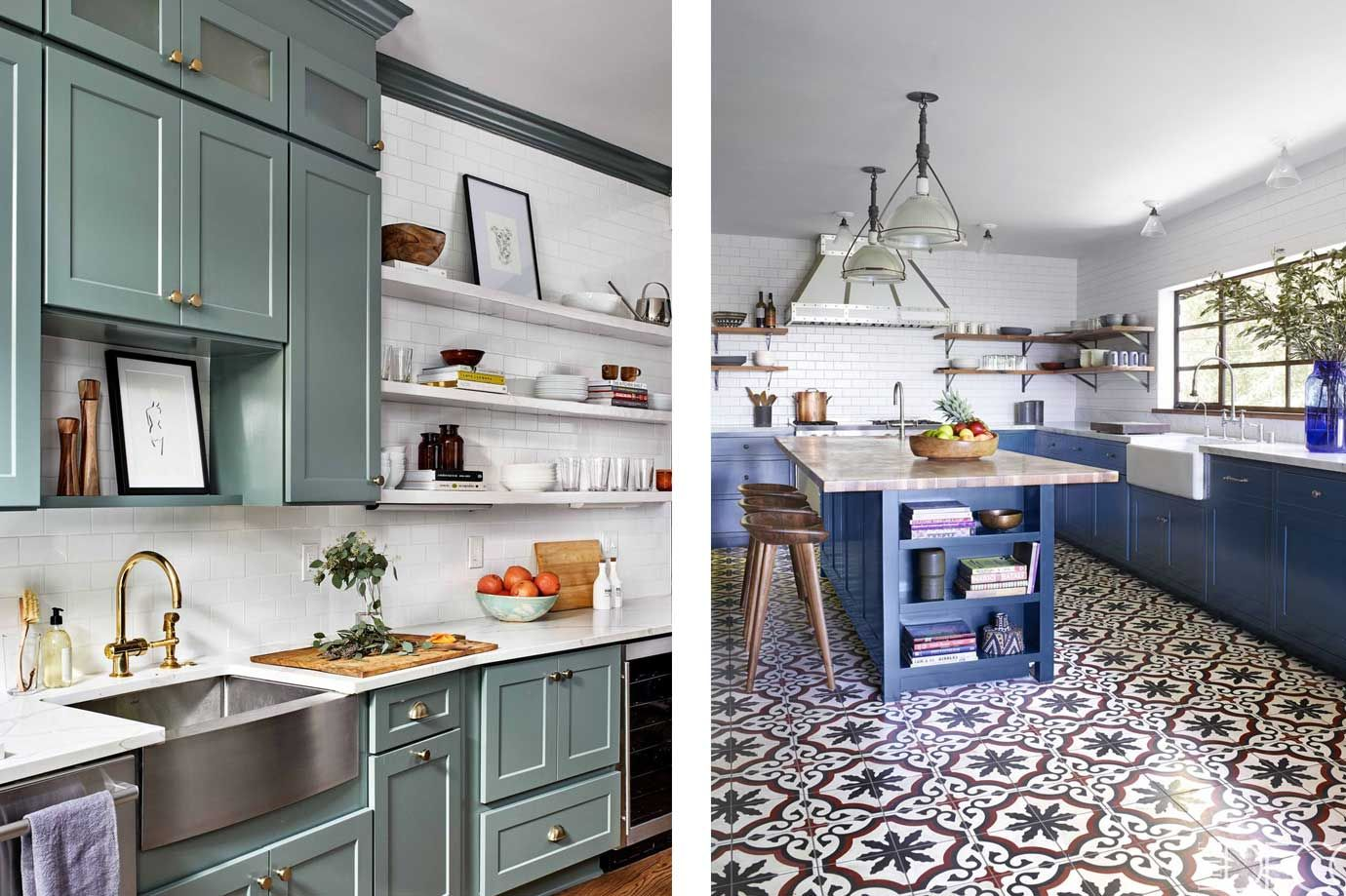
  • The Subway Tiles You need for your next Mosaic

    The Subway Tiles You need for your next Mosaic

    Ask the manufacturers, designers, or end-time users if you want to learn what people feel about subway tiles. Each of them will download these excellent interior décor materials to obtain the best of your dreams. In terms of application, it can work for various parts of the home interior, including the kitchen, bathroom, mudrooms, and other places.  Click here to buy subway tiles online.

    A Brief origin of Subway tiles

    In summary, the subway tiles were first used in the New York City subway transportation system in 1904. However, it may be hard to believe that the subway gave the unique tiles its name. Moreover, it has been in existence for over a century, yet it has not lost its glamour nor beauty over the years. Some of these early designers choose to cover the walls and floor of the subway with these subway tiles because they are straightforward to install and clean. In the end, they want it to be that the subway tiles create imagery in the mind of the subway users in a problematic way to forget. 

    The Infamous New York City Mosaic

    The subway tiles have further recreated the New York Subway by adding a very astonishing design called the Big Apple. The Big Apple shows the richness of the rail station in terms of art. In addition, people traveling through the rail station can also enjoy the pleasure of the artwork while seeing many public works going on in the subway station. In addition, you may even find some websites and tours where you can further have a feel of the subway station. 

    The once-ridden walls with subway tiles are now transformed into a ubiquitous NYC subway mosaic art. This blend of the subway tiles into a modern artistic skyscraper is a good perception of things that journey from good to better—similarly, some other mosaic wall art subway tiles, some of which are listed below. 

    The Subway Tiles You need for your next Mosaic

    The Signs of Life by Jackie Chang (2000)

    Down at the underground station at the Metropolitan Avenue/Grand Street on the IND Crosstown Line is this beauty of mosaic art. When this art was first created over two decades ago, hardly anyone could believe that it was made on the same subway tiles, you know. Of course, it has a peculiar finish that further brightens the color and texture as Mosaic. 

    Glass Mosaic Wall art by Robert Kushner

    The Glass Mosaic Wall art by Robert Kushner is a beautiful piece of art located on the 77th street of the IRT East Side Line. When you take a closer look at this mosaic wall art, you will notice how the artist blended a geometric shape of the smaller glass tessera with the other tiles in the final output. Moreover, this mosaic piece is evidence of expanding people’s perception about subway tiles to that which has become more widely accepted. 

    For Want of Nail by the MTA Arts

    On behalf of the Transit Design Team, MTA Arts created a mosaic mural called “For Want of a Nail.” This fantastic work of art shows a variety of how to combine subway tiles to make mosaic designs to depict a great form of animal life. This mosaic art is located at the 81st street station for the Museum of Natural history. This work aims to bring the natural world into the subway station with the effect of artificial lights. Meanwhile, the design theme shows different forms of animal life, ranging from extinct ones like dinosaurs to aquatic animals such as sharks and whales. Therefore, the visitors can also spot everything available as they pass the station. 

    Artemis, Acrobats, Divas, and Dancers by Nancy Spero 

    The Artemis, Acrobats, Divas, and Dancers by Nancy Spero were created in 2004 with such intensity of religion icon through its installation. The theme of the Mosaic was the ancient Greek gods and the associated myths. The location of this beautiful art is the 66th Street/Lincoln Center and Riders on the IRT West Side Line that may otherwise feel clumsy. This Mosaic is nothing short of an exquisite look with lots of brightly colored subway tiles to portray the glory of Rome. 

    The Subway Tiles You need for your next Mosaic

    As Above, So Below by Ellen Driscoll

    Ellen Driscoll created the captivating series of mosaic artworks at the Grand Central Terminal in an ample installation space. The theme of the work is the mystical subjects of subdued colors of modern art. It also includes jewel-toned tiles with great force of attraction in the subway channel. The location of the design is at Grand Central Terminal underground. 

    Subway Tiles at Home

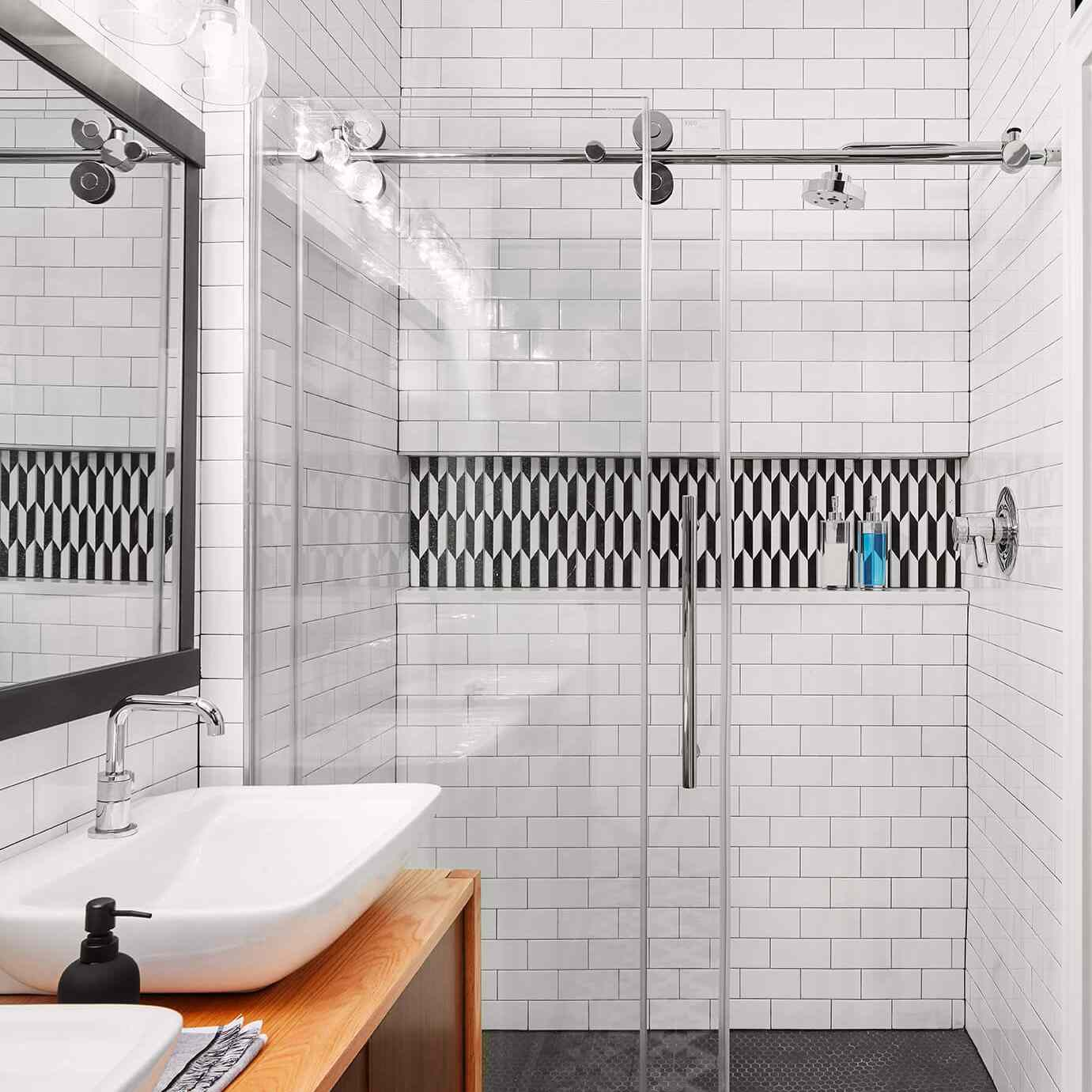
    Recent years have shown that creating these subway tiles makes it worthwhile in terms of geometric shapes. At the same time, it is pretty easy to manage and care for these outfits. Similarly, the art blends on a neutral background can give you the inspiration that you need. Moreover, having subway tiles in the home is a great way to revitalize the color combinations, materials, and carving designs. The direct applications of subway tiles are the bathroom walls, backsplashes, and other forms and places. 

    Combination of Mosaic Artworks and Subway Tiles

    Do you know some of the classic shows of subway tiles in modern use comprised of mosaic creation?. While the subway tile has its unique patterns that can be limitless, depending on the designer’s creativity, creating Mosaic from them is another ball game entirely, Forst, you may decide to use the natural environment to recreate your home interior design. Or you may prefer to add your artistic imagery to the wall or floor of the home. Both mosaic art patterns are worthy of the value of the room when you install them. 

    The Subway Tiles You need for your next Mosaic

    Conclusion

    In the world of interior decorations, nothing feels more exciting than a good view of the home as you pass the place. If you can lay your hands on shimmering subway tiles that can give a good reflection of the ambient lighting of your room, you can truly make your home special. Mind you, everyone deserves that specialty in their homes. That is why we recommend Tile and Bath Co as the sure company to supply all your interior décor needs in Australia.